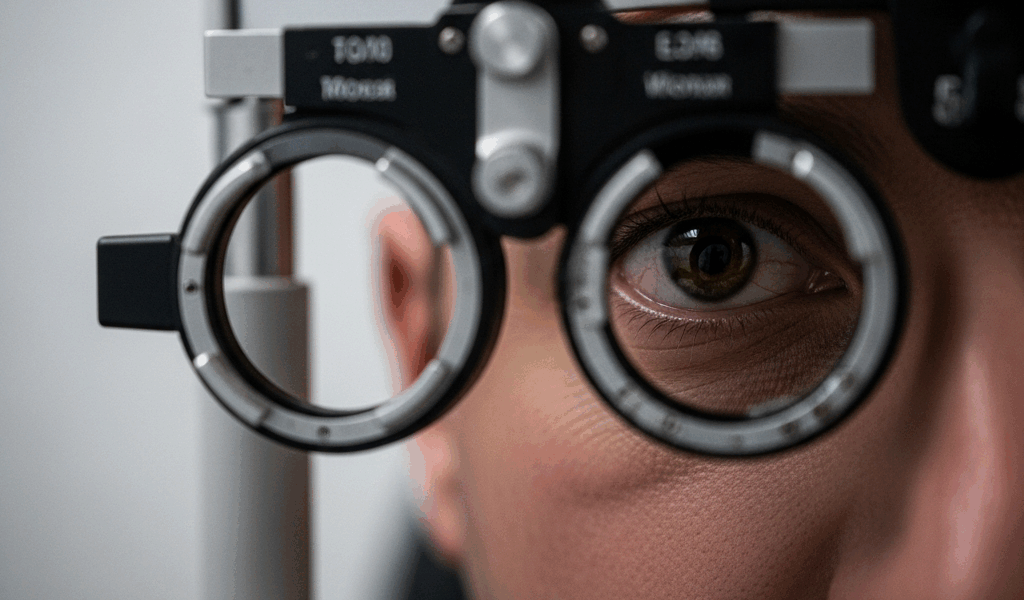
Here is the short version: you can absolutely fly military aircraft after laser eye surgery, but whether you can depends almost entirely on which branch you are headed for and which procedure you had. PRK and LASIK are not treated the same, and the Air Force, Navy, Army, and Coast Guard each draw the line in a different place. Get the order wrong — surgery first, branch decision second — and you can accidentally close a door that was never going to reopen.
If you are weighing surgery before a flying career, the single most important rule is this: talk to a flight surgeon or an aviation medical examiner before you book anything. The procedure you choose matters as much as the timing. Here is how each branch handles it in 2026.
PRK vs LASIK — why pilots care about the difference
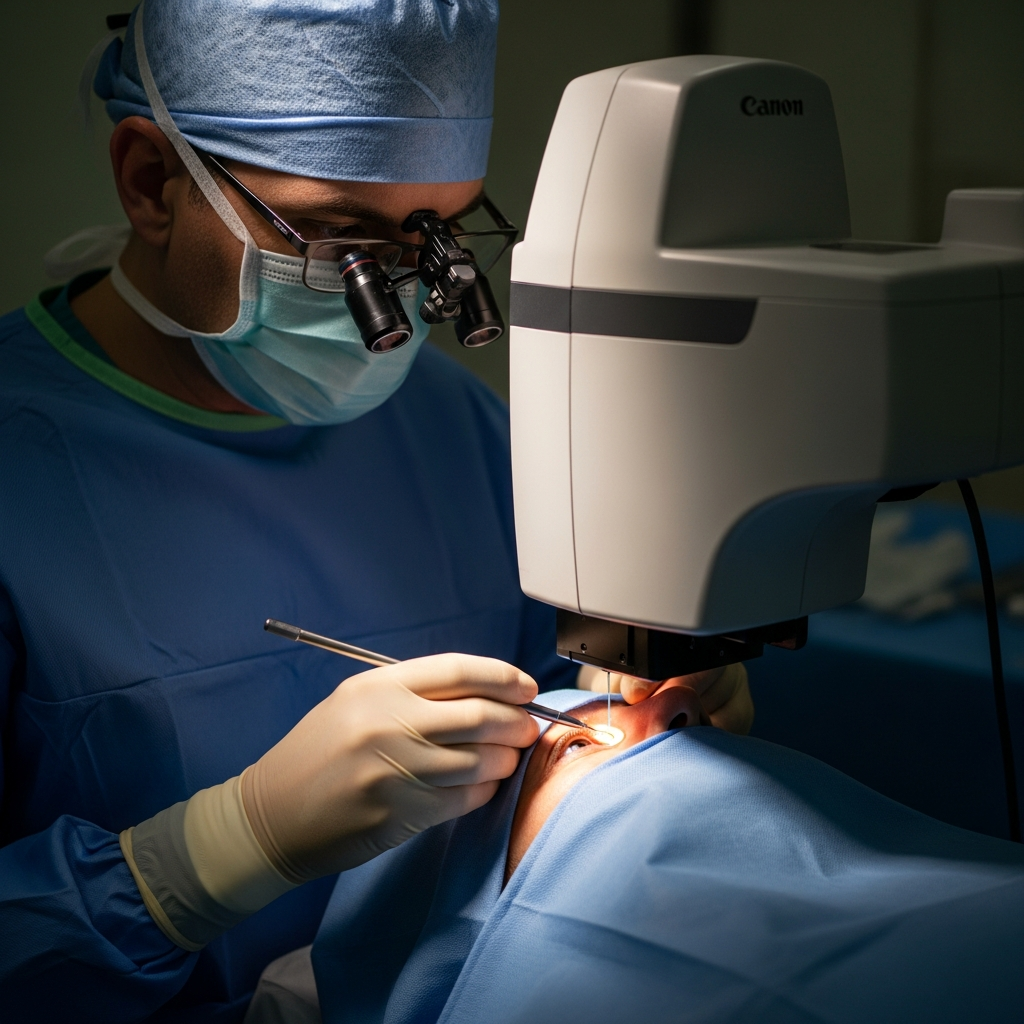
Both procedures reshape the cornea to correct vision. The difference is the flap. LASIK cuts a thin hinged flap in the cornea, lifts it, lasers underneath, then lays it back down. PRK removes the outer layer entirely and lets it grow back, with no flap left behind.
For a desk job, the flap is a non-issue. For a fighter cockpit, it is the whole conversation. Flight surgeons have long worried about a LASIK flap shifting under high G-loads, rapid decompression, or the violence of an ejection. That concern is why PRK has been the military’s preferred procedure for aircrew for years, even as civilian surgeons lean toward LASIK for its faster recovery. If you have not had surgery yet and you are aiming for a cockpit, PRK keeps the most branches open to you.
Air Force — the most permissive
The Air Force is the easy branch here. Since 2018, aviators and aircrew applicants no longer need a waiver for flying duties after PRK or LASIK, provided their vision has stabilized. Both procedures are accepted for rated duties. Once you are healed and your refraction has settled, you can go back to flying.
That does not mean surgery is a free pass on day one. You still need to clear the standard flight physical, your vision still has to meet the acuity standard after the procedure, and you still serve a stabilization period before you are signed off. But the Air Force dropped the waiver hurdle that used to slow people down, and that makes it the most forgiving branch for someone who has already had laser correction.
Navy and Marine Corps — PRK yes, LASIK no
This is where people get burned. For naval aviators — and that includes Marine pilots, who train through the Navy pipeline — PRK is acceptable, but LASIK is disqualifying. The flap is the reason. The same logic that makes the Navy cautious applies to special operations as well; LASIK has historically been a problem for any air, sea, or land special operations track.
So if you walked into a civilian LASIK clinic, had the standard procedure, and then decided you wanted to fly for the Navy or Marines, you have a real problem. The fix is not retroactive. This is the single most common way an aspiring naval aviator disqualifies themselves before they ever apply. If the Navy is on your list at all, PRK is the only laser procedure that keeps that option alive.
Army — only inside the flight school protocol
The Army is the strictest of the four on elective surgery. As a rule, Army pilots are not cleared to go get LASIK or PRK on their own. The one exception is the USAARL-approved protocol — the U.S. Army Aeromedical Research Laboratory tracks a controlled group of pilots through PRK and LASIK during flight school under medical supervision. If you are enrolled in that protocol, surgery is on the table. If you are not, you are expected to fly with corrective lenses instead.
For a prospective Army aviator, the practical takeaway is to not assume you can handle your vision on your own timeline. The Army wants its pilots inside the system, with the data captured, or wearing glasses. Going rogue with an elective procedure can put your aviation career in question.
Coast Guard — waiverable for accessions
The Coast Guard is more flexible than the Navy on this one. All methods of laser vision correction can be waivered for accessions, as long as you meet every other vision and eye-health standard. That means a history of LASIK or PRK is not an automatic stop sign the way it is for naval aviators — it becomes a waiver question rather than a flat disqualification.
As always, “waiverable” is not the same as “guaranteed.” You still have to satisfy the rest of the eye exam and the waiver authority still has to sign off. But the door is open in a way it simply is not for someone with LASIK applying to fly for the Navy.
Branch-by-branch at a glance
| Branch | PRK | LASIK | Notes |
|---|---|---|---|
| Air Force | Accepted | Accepted | No waiver for aircrew since 2018 once vision stabilizes |
| Navy / Marines | Accepted | Disqualifying for aviators | Flap risk; also affects special operations |
| Army | Protocol only | Protocol only | USAARL-approved program during flight school; otherwise fly with lenses |
| Coast Guard | Waiverable | Waiverable | If all other vision standards are met |
Timing and the waiver process
Even in the branches that accept surgery, you cannot walk out of the clinic and into a cockpit. There is a stabilization window, and there is paperwork. The minimum wait before submitting a waiver request is six months from the date of surgery — your eyes need time to settle so the exam reflects your real, stable vision rather than a healing cornea.
You will also need your full surgical records. Operative reports and the complete set of paperwork from your procedure have to be available and submitted for waiver consideration. Skip the documentation and the process stalls before it starts. Keep every record your surgeon gives you, including the pre-op refraction and the procedure notes — a flight surgeon will want all of it.
The honest bottom line: if you have not had surgery yet and a flying career is the goal, PRK keeps the most branches open and the Navy LASIK rule is the trap to avoid. If you have already had LASIK, the Air Force and Coast Guard are still very much in play, while the Navy and Marines likely are not. Either way, the smartest move is to sit down with a flight surgeon before you commit — the rules shift, and your specific prescription and procedure history are what actually decide your case. This is a policy overview, not medical advice.
For the wider picture on what each service expects from your eyes, see our breakdown of military pilot vision requirements by branch, and if you are not a surgery candidate at all, start with whether you can become a military pilot with glasses.




Stay in the loop
Get the latest milpilot updates delivered to your inbox.