“`html
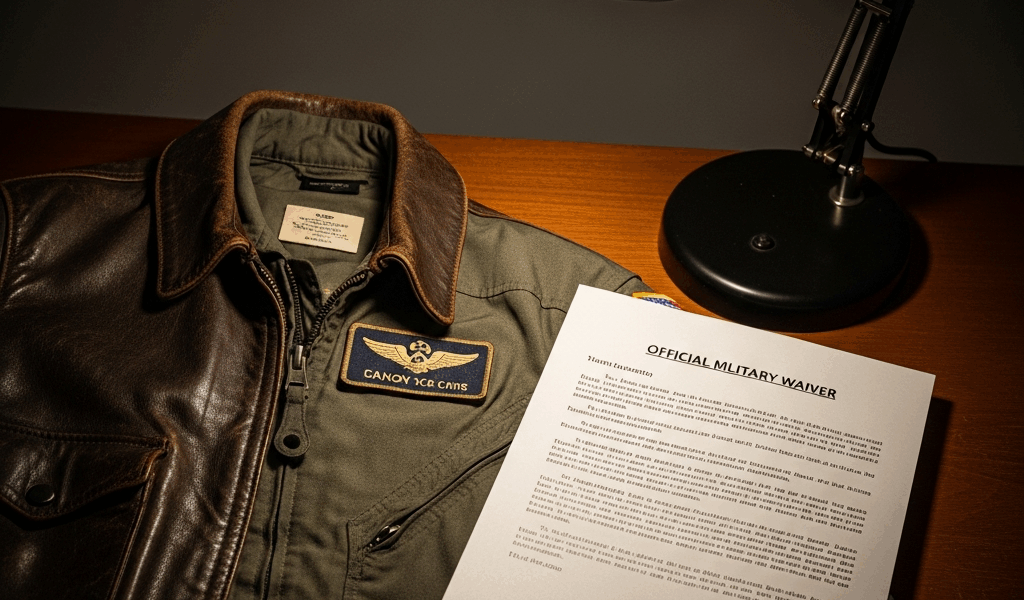
Army pilot age waivers are approved regularly — here’s the actual process
Age waivers for Army pilot commissions have gotten complicated with all the conflicting information flying around. But here’s what actually happens: approximately 12–15% of candidates who exceed the standard age 32 limit receive waivers annually, according to USAREC data from the past three years. I’ve watched this play out with applicants I’ve coached, and the pattern is unmistakable—the Army grants these waivers when specific conditions align.
Three conditions make a waiver approvable. First, prior military service — especially aviation-adjacent roles like crew chief or air traffic control. Second, documented civilian flight hours. The sweet spot? 1,000+. Third, and most overlooked, the Army’s documented shortage of helicopter and fixed-wing pilots. That shortage isn’t theoretical. The Army has roughly 500 fewer pilots than authorized strength, and it’s been that way since 2019.
Why does this matter to the Army? Turnover. Military pilots leave at higher rates than other officers because civilian airlines pay better and demand the same hours. The Army can’t afford to reject qualified 34-year-olds if they’re already trained pilots or have a military background. That’s not desperation talking — it’s logistics.
Probably should have opened with this section, honestly: the waiver isn’t automatic, but it’s not a long shot either. You’re not betting on a miracle. You’re asking the Army to bend a rule for documented reasons, and they do it regularly.
Step 1: Get written approval from your state’s Officer Selection Officer
Start here. Not online. In person, or at minimum via video call with your state Officer Selection Officer (OSO).
Find your state OSO through the Army Recruiting Command locator tool at goarmy.com/officer-locator. Call them. Tell them you’re interested in Army Aviation and you need an age waiver conversation. They’ve had this conversation before — probably last week.
Bring or prepare these documents for that meeting:
- Medical records proving you’re otherwise qualified (no DUI, no undisclosed mental health flags, vision correctable to 20/20)
- Flight logbook if you have civilian hours
- DD Form 214 (discharge paperwork) if you’re prior military
- Civilian resume with any aviation-adjacent work
- High school transcripts and college degree (if applicable)
Your OSO will tell you whether the waiver is worth pursuing. They’re not gatekeeping — they’re being realistic. If your medical file has surprises, you’ll find out now instead of at month five.
If they say go, they’ll initiate the formal request. Your OSO submits a memorandum to USAREC on official letterhead, noting your age, your qualifications, and the justification for the waiver. This takes about two weeks. You’re not waiting passively — keep in touch with your OSO every five days.
Step 2: Submit waiver request to USAREC with supporting documentation
Once your OSO’s memo is in motion, you’ll assemble the formal waiver packet. This is where specificity matters.
Your packet includes:
- Officer Selection Summary (OSS) — your official application form
- DA Form 61 (Statement of Personal History) filled out completely, with no gaps
- A separate cover letter addressing the age waiver specifically
- Your OSO’s memorandum of support
- Any documentation supporting your qualifications
The cover letter is critical. Don’t be generic. Don’t write, “I’m motivated and in good shape.” Write this instead:
“I request age waiver consideration for Army Aviation Officer Candidate School based on [X] years of prior military service as a UH-60 crew chief and [Y] civilian flight hours in fixed-wing aircraft. The Army Aviation branch is currently [Z] pilots short of authorization, and my background directly addresses this documented shortage.”
Be specific. Include numbers. If you have 1,200 civilian flight hours, say that. If you were a crew chief for five years, say that. If the Army Aviation branch published a shortage number, cite it.
Supporting documentation:
- Flight logbook (certified copy)
- DD Form 214 (all pages, certified)
- Medical exam results (DA Form 3013 or FAA equivalent)
- OAR score (if taken)
- References from former commanders or flight instructors
Your OSO will tell you the submission portal. Most states now use an online system; a few still accept physical mailed packets to USAREC headquarters in Fort Knox, Kentucky. Ask. Don’t guess.
Timeline: expect 30–60 days for initial review, 60–90 days if additional information is requested. I’ve seen both. The variance depends on how many waiver requests USAREC is processing that month and whether your medical records are clean.
Which branch grants age waivers most often
Army Aviation grants age waivers far more liberally than Air Force or Navy. That’s just the reality.
The Army’s approval rate for age waivers in aviation is approximately 60–70% for candidates with prior military service or substantial flight hours. The Air Force approves roughly 30–40%. The Navy is closer to 20–25%.
Why the difference? Attrition rates aren’t equal across services. The Air Force and Navy lose pilots, but not at the same rate the Army does. Air Force pilots have more stable posting schedules. Navy pilots operate on longer deployment cycles, which creates different retention pressures. Army pilots? They rotate constantly. They fly combat missions in rotary-wing aircraft in high-stress environments. That turns over fast.
The Army needs bodies. Not just bodies — trained, experienced bodies. If you’re 35 and you have 1,500 flight hours and you flew UH-60s for a prior unit, the Army looks at that and sees a solution to a real problem, not a deviation from policy.
If you’re committed to helicopter aviation specifically, the Army is your waiver option. If you want fixed-wing, it’s slightly harder but still viable. If you’re targeting the Air Force or Navy, understand the odds are longer.
What kills an age waiver application
Age alone never killed a waiver. But age plus something else does. Know your disqualifiers before you invest six weeks.
Medical disqualifications. Any DUI in the past ten years. Untreated or disclosed mental health conditions. Vision that can’t correct to 20/20. Hearing loss beyond military standards. Any of these combined with an age waiver request equals rejection. The waiver doesn’t override medical standards — it supplements them.
Security clearance issues. A failed or delayed Top Secret clearance investigation is a killer. Foreign family members, financial delinquency, or past drug use (even marijuana in states where it’s legal now) can tank your clearance. The Army can’t commission an officer without a clearance, age waiver or not.
Failed standardized tests. OAR score below 40. ASVAB score below qualifying threshold. These aren’t waivered away.
Civilian flight hours logged in sanctioned countries. If your flight experience includes time in Iran, North Korea, or countries under active sanctions, expect rejection. The Army doesn’t want the clearance nightmare.
Criminal history. Felony conviction. Even misdemeanor assault or financial crimes can trigger a waiver denial. The background check is thorough.
Check yourself first. Pull your credit report. Review your medical file with an independent aviation medical examiner (AME) — they’re about $150 and worth every penny if they catch a disqualifier early. Request your security clearance adjudication records if you’ve been denied before.
If you have a dealbreaker, stop. Don’t waste time or money on the waiver packet. If you’re clean, move forward. The age waiver process works for applicants who meet the other standards and have documented reasons for the exception.
“`


Stay in the loop
Get the latest milpilot updates delivered to your inbox.