Army Warrant Officer Pilot vs Commissioned Officer Pilot
The army warrant officer pilot vs commissioned officer pilot decision has gotten complicated with all the recruiter-speak and watered-down forum posts flying around. As someone who spent time embedded with aviation units at Fort Campbell — talking to pilots at every grade from WO1 to CW5, O-2 to O-5 — I learned everything there is to know about what these two paths actually look like from the inside. Today, I will share it all with you. Because the two tracks diverge much earlier and much more sharply than any branch selection brochure will tell you.
What Each Path Actually Looks Like Day to Day
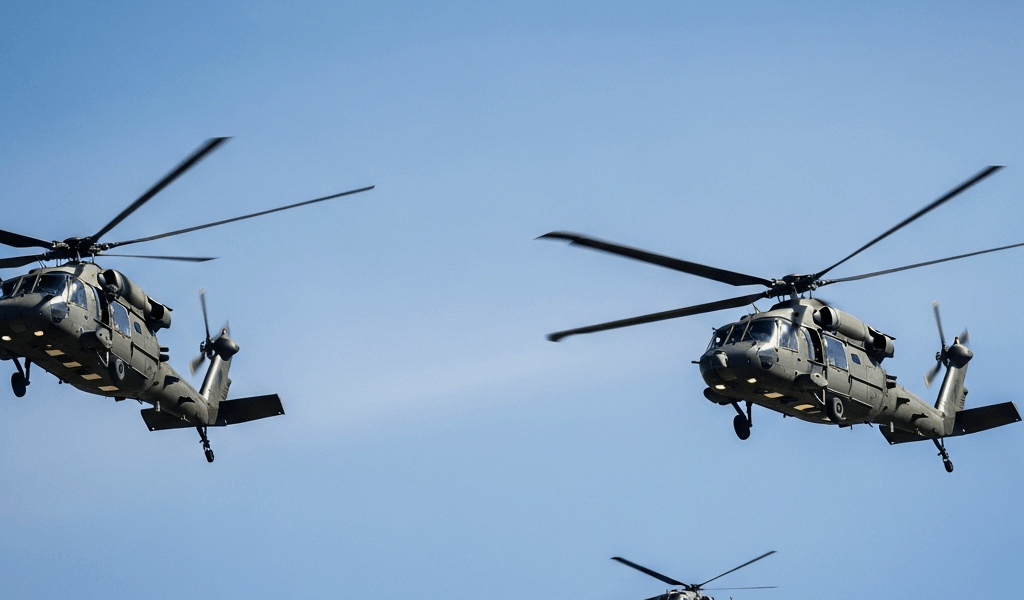
Picture a typical Tuesday at a combat aviation brigade. A CW2 Black Hawk pilot is up for PT at 0630, in the flight operations building by 0800, planning a three-hour training flight. By 1400 he’s post-flight — doing maintenance coordination, running a crew brief for the next day. His evening is his. He flew roughly 12 hours that week. He’ll log somewhere between 150 and 180 hours for the year.
Now picture a first lieutenant in the same battalion. Same PT. After that, though, it’s a working group on the unit’s deployment readiness brief. Then a counseling session with one of his soldiers. Then a staff meeting that runs long — because they always run long. He might fly once this week. Maybe twice if he pushes hard for it. His annual flight hours land somewhere around 80 to 100. The administrative pull starts immediately and never really stops.
Warrant officers are institutionally protected as technical experts. That’s not a soft description — it’s baked directly into the personnel system. Their job is to be the best aviator in the room, full stop. A commissioned officer’s job is to develop into a commander and staff officer who also happens to fly. Those are genuinely different missions wearing the exact same flight suit.
By the CW3 or CW4 mark, warrant officers are typically serving as instructor pilots, standardization officers, or evaluators. They’re running check rides and writing the tactics that junior pilots execute. Commissioned officers at that same career point — a captain, say — are commanding companies, writing OPORDs, managing 100 soldiers. Both roles matter. They are not the same life.
Training Pipeline Differences and Time to Wings
Both paths run through Fort Novosel in Alabama — formerly Fort Rucker before the 2023 name change. But getting there looks very different depending on your commission status.
The Warrant Officer Route
But what is WOCS? In essence, it’s the Warrant Officer Candidate School — roughly six weeks of compressed, focused officer development. But it’s much more than that. Think of it as officer basic course energy crammed into a tighter window with a clearer purpose. From WOCS, candidates enter Initial Entry Rotary Wing, or IERW. Total flight school training runs 12 to 18 months depending on airframe track. Most warrant officer pilots are flying their first assignment aircraft — typically a UH-60 Black Hawk or CH-47 Chinook — within 18 to 24 months of enlisting or applying. Apache adds pipeline time on top of that.
The Commissioned Officer Route
Commissioned officers come through OCS, ROTC, or one of the service academies first. That’s already a one-to-four year investment before aviation branch even enters the picture. After commissioning, officers must be selected for aviation as their branch — not guaranteed. Then comes the Aviation Basic Officer Leader Course before IERW. Timeline from starting the commissioning process to first assignment: three to five years, sometimes longer. That’s not a criticism. It’s just the honest math.
Probably should have opened with this section, honestly — because the timeline gap alone reshapes the calculus for anyone over 25 who already knows they want to fly.
Pay and Promotion Compared at Each Stage
Military pay ties directly to grade and time in service, so this comparison is more structured than civilian salary negotiations. Here’s where the two tracks actually stand.
At the Five-Year Mark
A warrant officer at five years of service is typically a CW2 or early CW3. Base pay for a CW2 with four years in sits around $4,300 per month — roughly $51,600 annually before housing allowance and flight pay. Add aviation career incentive pay, ACIP, which runs $125 to $250 monthly for junior grades, plus BAH based on duty station. At Fort Campbell, BAH for a single servicemember runs over $1,400 per month. That adds up fast.
A commissioned officer at five years is an O-3 captain. Base pay for an O-3 with four years of service runs approximately $5,300 per month — about $63,600 annually. Captains earn more at this stage. That’s the honest answer.
At the Ten-Year Mark
This is where the comparison gets interesting. A CW4 at ten years — achievable for high-performing warrants — earns base pay somewhere between $6,400 and $7,200 per month. Promotion from CW3 to CW4 is competitive, but not subject to the brutal up-or-out pressure commissioned officers face every few years.
A commissioned officer at ten years is likely a major, O-4. Base pay lands around $6,500 to $7,500 per month. Majors who don’t get promoted to lieutenant colonel within the selection window are forced out. Warrants are not. A CW4 can stay, keep flying, and retire at 20 years without ever having to win a board that ends careers. The warrant officer path trades peak ceiling for floor stability — and that trade is worth understanding clearly before you sign anything.
Career Ceiling and Long-Term Options
Commissioned officers can become battalion commanders — lieutenant colonels running 500-plus soldiers and multiple aircraft. They can make general officer. Pentagon assignments, combatant commands, defense acquisition, senior government roles. The ceiling is genuinely high. The attrition rate to get there is also genuinely high.
Warrant officers are expected to remain technical experts. Most retire as CW4 or CW5. CW5 is the pinnacle — brigade-level master gunner or command chief warrant officer. It’s a respected, specialized role. It is not a command role, and the Army will never pretend otherwise.
Frustrated by watching talented pilots leave for the airlines, the service has made CW5 more competitive and visible over the last decade. It helps retention. But the institutional ceiling is real and worth naming plainly rather than burying in footnotes.
Civilian Transition Value
Both tracks carry real weight on the outside. Airline hiring boards at Delta, United, American, and Southwest value total flight hours above almost everything else — at least in the initial screen. Warrant officers typically retire with 2,000 to 3,000-plus hours of rotary-wing time. That’s a strong foundation for the Airline Transport Pilot certificate and a direct path to the regionals, then eventually the majors.
Commissioned officers transitioning at the O-4 or O-5 level often have fewer flight hours but stronger leadership credentials. That opens different doors — program management, defense contracting with firms like SAIC, Leidos, or L3Harris, and government civilian roles at the GS-13 to GS-15 level. Different doors. Both real. Neither one is obviously better without knowing what you actually want your life to look like at 50.
Which Path Should You Actually Choose
So, without further ado, let’s dive in — without the diplomatic hedging that makes most of these comparisons useless.
Choose the warrant officer track if:
- Your primary goal is maximum flight hours and you want to be known as an exceptional aviator, not an exceptional briefer
- You want the fastest path to wings — the WOCS plus IERW pipeline beats the commissioning timeline by years, sometimes three or four of them
- You’re planning an airline transition at 20 years and want the strongest possible logbook walking in the door
- You value schedule stability and want a career that doesn’t require winning a promotion board every three years just to survive
Choose the commissioned officer track if:
- You want to command soldiers and fly — in that order of priority, genuinely
- Strategy, policy, and senior Army leadership appeal to you beyond the cockpit
- You have the patience for a longer pipeline and the ambition to compete for battalion command and above
- You see the military as a platform for a senior government or executive career, not purely an aviation career
I’m apparently wired more toward flying than leading staff meetings, and the warrant path works for people like me while the commissioned track never quite fit the way I imagined it would at 22. Growing up near Fort Campbell, I assumed the commissioned route was automatically the better option — more prestige, higher pay ceiling, more options on paper. Don’t make my mistake. What I underestimated was how fast the administrative load erodes actual flying time, and how real the up-or-out pressure becomes once you hit O-3 and the board cycles start. The warrant path isn’t a consolation prize. For someone who genuinely wants to fly — not lead briefings about flying — it’s the stronger choice. Make the call based on what you actually want your life to look like at 40, not what sounds impressive at a dinner party when you’re 22.



Stay in the loop
Get the latest milpilot updates delivered to your inbox.