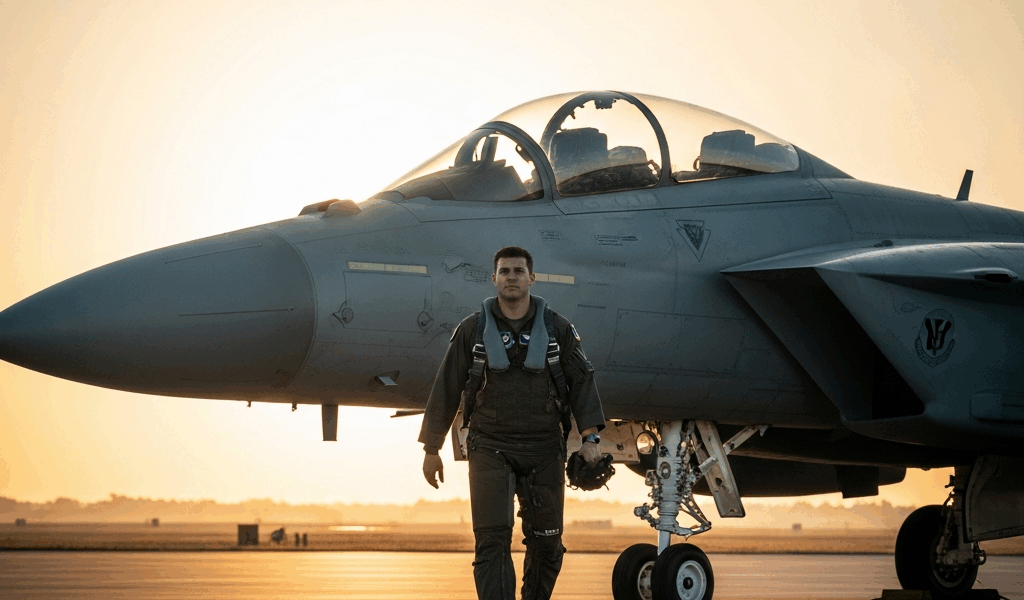
Base pay is the part of a military pilot’s income everyone can look up on a chart. The aviation-specific money — the part that rewards you for actually strapping into an aircraft — is two separate programs most people outside the cockpit have never heard of: Aviation Incentive Pay and the annual Aviation Bonus. Together they can add tens of thousands of dollars a year on top of base pay, and in 2026 the bonus alone tops out at a number that turns heads: up to $600,000.
Here is how each piece works, what a pilot realistically takes home, and why even six-figure bonuses still are not enough to keep some of them from leaving for the airlines.
Flight pay — Aviation Incentive Pay month by month
Flight pay, officially Aviation Incentive Pay (AvIP), is a monthly stipend on top of base pay for aviators who are flying. It is not a fortune, and it scales with years of aviation service — it rewards staying current and experienced, not just showing up. It starts modestly and climbs to a cap.
| Aviation service | Monthly AvIP | Per year |
|---|---|---|
| New pilot | $150 | $1,800 |
| 2 years | $250 | $3,000 |
| 6 years | $700 | $8,400 |
| 12+ years (cap) | $1,000 | $12,000 |
So a brand-new pilot sees an extra $150 a month, which is real but not life-changing. The number to keep your eye on is the $1,000 monthly cap that kicks in around the twelve-year mark — $12,000 a year, every year, for staying in a cockpit. AvIP is the steady, predictable layer. The bonus is where the big money lives.
The FY2026 Aviation Bonus
The Aviation Bonus is the Air Force’s main lever for keeping experienced aviators in uniform, and the FY2026 program is aggressive. Eligible aviators — lieutenant colonels and below on active duty — can lock in up to $50,000 per year by signing a multi-year commitment. Contracts run from three to twelve years, and across a long contract the total can reach up to $600,000.
It is not just for stick-and-rudder pilots. The program covers pilots, remotely piloted aircraft (RPA) pilots, air battle managers, and combat systems officers. For FY2026 the Air Force raised compensation for shorter contract lengths, with particular increases for the fighter, bomber, and U-2 Dragon Lady communities — the career fields it most needs to retain. Eligible aviators have a window each year, generally April 1 through August 31, to apply, or until the program’s funding runs out.
The scale of it is telling. The Air Force estimated that 10,314 pilots would receive an aviator bonus in FY2026, up from 8,941 the year before — roughly a 15 percent increase. When a service expands a retention program by that much, it is not because retention is going well.
How it stacks on base pay
Put the pieces together and the picture gets more interesting. Take a captain (O-3) a few years into a flying career. Base pay alone is well over $7,000 a month. Add flight pay — by the six-year mark that is another $700 a month — and then layer on a bonus contract worth up to $50,000 a year, which works out to roughly another $4,000+ a month before taxes.
Stacked up, an experienced captain on a bonus contract can be earning meaningfully into six figures a year once base pay, flight pay, the bonus, and the usual allowances for housing and subsistence are all counted. That is genuinely strong compensation for someone in their late twenties or early thirties, and it does not include the pension, healthcare, and other benefits that come with a military career. On paper, the Air Force is paying well.
Why the bonuses still lose pilots to the airlines
Here is the honest part. Even at up to $600,000 over a full contract, the Aviation Bonus is fighting an uphill battle against the major airlines — and the Air Force knows it, which is exactly why the FY2026 numbers went up.
The math at the major carriers is hard to ignore. Airline first-year pay can start lower than people expect, but senior wide-body captains at the big airlines can earn well north of $300,000 to $400,000 a year, with seniority-based schedules that put them home far more predictably than a deploying military aviator. Spread that over a career and the lifetime gap between staying in and flying for Delta or United runs into the millions. A $50,000 annual bonus narrows that gap; it does not close it.
And money is only half the story. Deployments, frequent moves, additional ground duties, and the sheer operations tempo wear on people and families in a way an airline bid line does not. For a lot of aviators the decision is not purely financial — it is about quality of life and control over where they live. The bonus is the Air Force’s way of saying the cockpit is worth staying in. For some it is enough. For many, especially once the airlines are hiring, it is not — and that is the retention problem no single bonus figure has solved.
Should you sign the bonus contract?
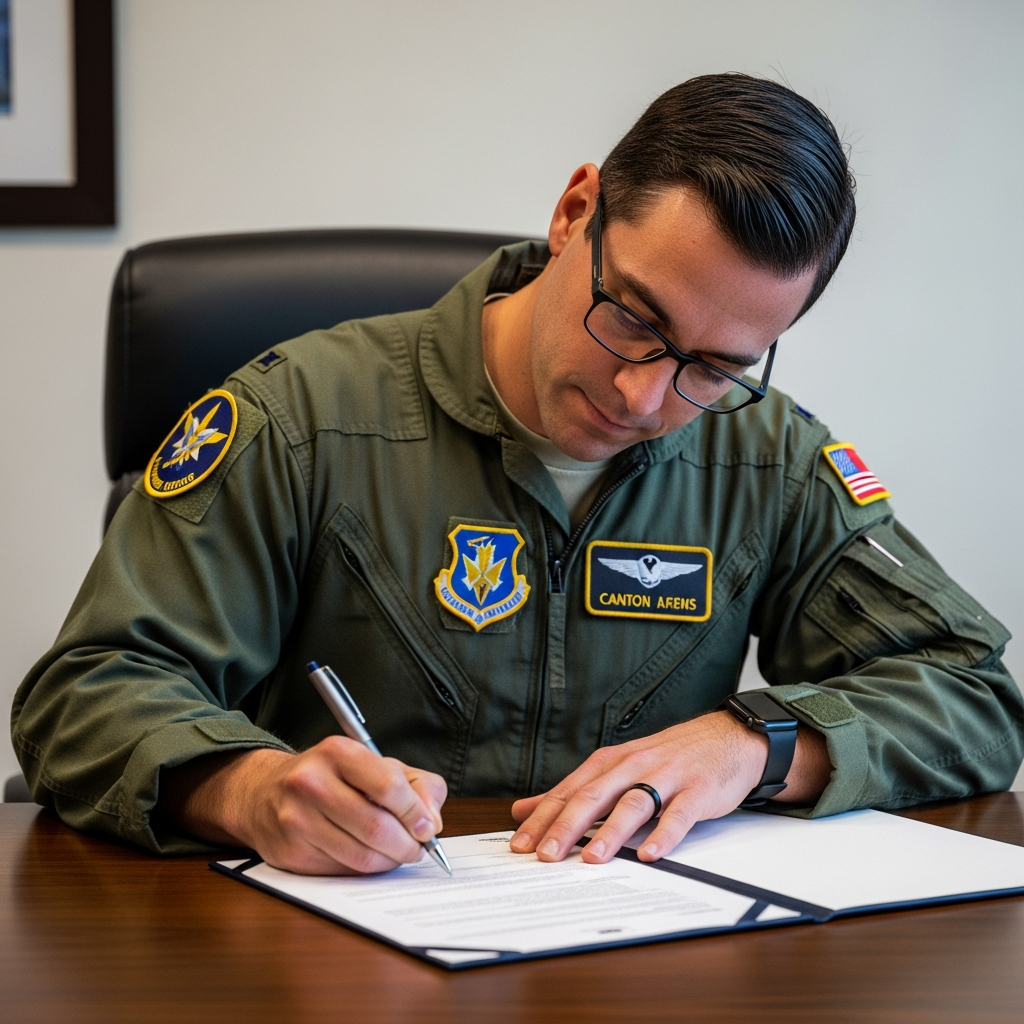
For most aviators who already want to stay, taking the bonus is close to a no-brainer — it is a large sum for a commitment you were prepared to make anyway. The harder call is for the pilot who is genuinely on the fence between an Air Force career and an airline cockpit. There, the bonus is real money but a long contract also locks you out of the airline seniority clock, and seniority is everything in airline pay and quality of life. Every year you wait to start at an airline is a year you never make up at the top of their pay scale.
The honest framing is this: sign the bonus if you want the mission, the people, and the kind of flying you cannot do anywhere else, and treat the money as a reward for a choice you already made. Do not sign it purely for the cash if your heart is already at the airlines — the lifetime math rarely favors staying for the bonus alone. The pilots who regret the contract are usually the ones who took it as a paycheck rather than a commitment.
The bottom line: flight pay is a steady few thousand a year that grows to a $12,000 annual cap, the FY2026 bonus can add up to $50,000 a year, and together they make military flying genuinely well paid — just not airline-rich. If you are weighing a flying career, count the whole package, not the base-pay chart alone.
For how this compares across services and aircraft, see our breakdowns of what Navy pilots actually earn, how Army and Air Force pilot pay break down, and what bonus pay looks like by aircraft type.



Stay in the loop
Get the latest milpilot updates delivered to your inbox.