
Today, I will share it all with you.
Many college students dream of flying fighters but misunderstand how the selection actually works. The path exists, but it requires strategic planning, physical preparation, and understanding how selection really works behind the scenes.

GPA Matters, But Not How You Think
GPA matters but isn’t everything—and that surprises a lot of cadets who’ve been told grades are everything their whole lives. Aviation selection boards evaluate whole-person concepts, not just transcripts. Academic performance demonstrates discipline and cognitive ability, sure. However, leadership positions, physical fitness scores, and commander recommendations carry significant weight too.
A 3.5 GPA with strong extracurriculars often beats a 3.9 from someone who only studied. I’ve seen it happen. The boards want people who can lead, not just people who can test well. That’s what makes selection so competitive—you can’t just optimize one variable.
Physical Fitness—Where Many Candidates Fall Short
Physical fitness requirements seem straightforward but deserve more attention than most candidates give them. Each service maintains different standards. Meeting minimums won’t distinguish you from competitors—everyone meets minimums, or they wouldn’t be competing.
Top aviation candidates score in the 90th percentile or higher on fitness tests. Start training early and maintain consistency. I’ve watched cadets assume they’ll “get in shape later” and then wonder why they didn’t get selected. Later never comes. Start now.
The Flight Aptitude Tests
The AFOQT, ASTB, or equivalent flight aptitude tests heavily influence selection, and many candidates underestimate them. These exams measure spatial orientation, instrument comprehension, and aviation knowledge. Preparation materials exist and should be studied seriously—this isn’t the kind of test you can wing.
Poor test scores eliminate candidates regardless of other qualifications. I’ve seen 4.0 students with perfect fitness scores get rejected because they bombed the aptitude test. Don’t be that person. Prepare.
Medical Screening—Get Checked Early
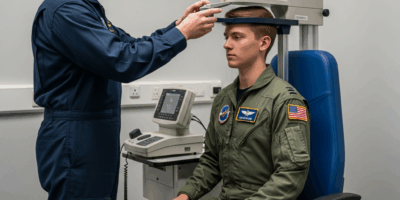
Medical screening catches issues candidates didn’t know they had, and the shock of a disqualifying condition late in the process is brutal to watch. Vision requirements remain strict despite LASIK options. Depth perception, color vision, and various physical standards apply.
Getting flight physicals early in your ROTC career allows time to address correctable issues or adjust career goals if necessary. Don’t wait until senior year to discover you’re colorblind. That’s what makes early screening so important—you need time to adapt your plans if something’s wrong.

Flight Hours Before Commissioning
Flight hours before commissioning help but aren’t required. Private pilot licenses demonstrate aptitude and commitment, and selection boards notice them. However, the military will teach you to fly their way regardless of civilian experience. They’re going to break your civilian habits and rebuild you as a military aviator.
Don’t bankrupt yourself accumulating hours if finances are tight. A PPL helps your application, but student loans that follow you for decades help nobody.
Network With Real Pilots
Networking with current aviators provides invaluable insights that official sources don’t give you. Reach out to pilots in your desired airframe. Ask about their path and current realities. Most military pilots gladly share experiences with motivated candidates—we remember what it was like to be in your position.
These conversations often reveal details that official briefings omit. The real story of what training is like, what squadron life involves, what the actual day-to-day looks like. That information matters when you’re deciding how hard to push for this career.
Timing Your Commission
Timing your commission matters in ways cadets don’t always understand. Pilot training seat availability fluctuates based on factors beyond your control. Understanding current pipeline capacity helps set realistic expectations. Your detachment commander or officer strength manager can provide guidance on typical wait times between commissioning and training start dates.
I’ve seen new lieutenants wait over a year for training seats. Plan accordingly.
Consider Your Alternatives Seriously
Consider your alternatives carefully, because here’s the truth: not everyone who wants fighters gets fighters. The same selection process assigns pilots to tankers, cargo aircraft, helicopters, or other platforms. Approach training willing to excel in whatever aircraft you receive.
The pilots who succeed long-term embrace their assignments rather than resenting them. I’ve known tanker pilots who love their jobs more than some fighter pilots I know. The airframe matters less than attitude.
Guard and Reserve—A Different Path
Guard and Reserve paths offer different opportunities that active-duty focused cadets often overlook. These components often have specific aircraft assignments available before you commit. If flying a particular airframe matters more than active duty status, these options deserve investigation.
Many successful fighter pilots came through Guard or Reserve programs. It’s not a lesser path—it’s a different path with its own advantages.
Maintain Perspective
Finally, maintain perspective throughout the process. Becoming a military pilot requires years of focused effort with uncertain outcomes. Enjoy your college experience while preparing for aviation. The cadets who become the best pilots balance dedication with sustainability.
Burnout before you even start training helps nobody. Take care of yourself. This is a marathon, not a sprint, and you need to pace yourself accordingly.



Leave a Reply
You must be logged in to post a comment.