Today, I will share it all with you.
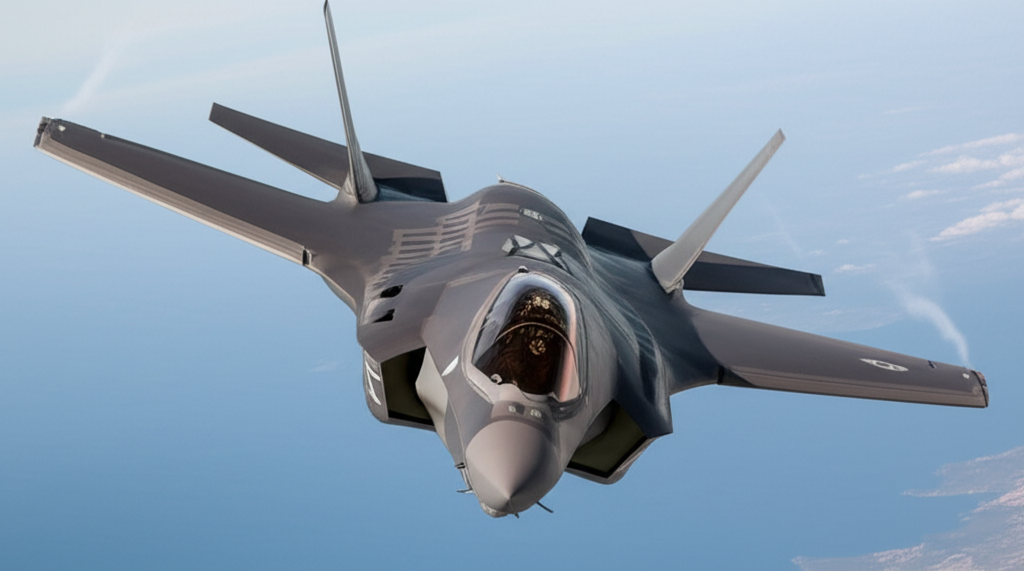
Media coverage of the F-35 program focuses relentlessly on cost overruns and development delays. Everyone loves to hate on this airplane. But pilots who actually fly the Lightning II tell a very different story. The aircraft represents a genuine leap in capability that transforms how air combat works.
Sensor Fusion—The Game Changer
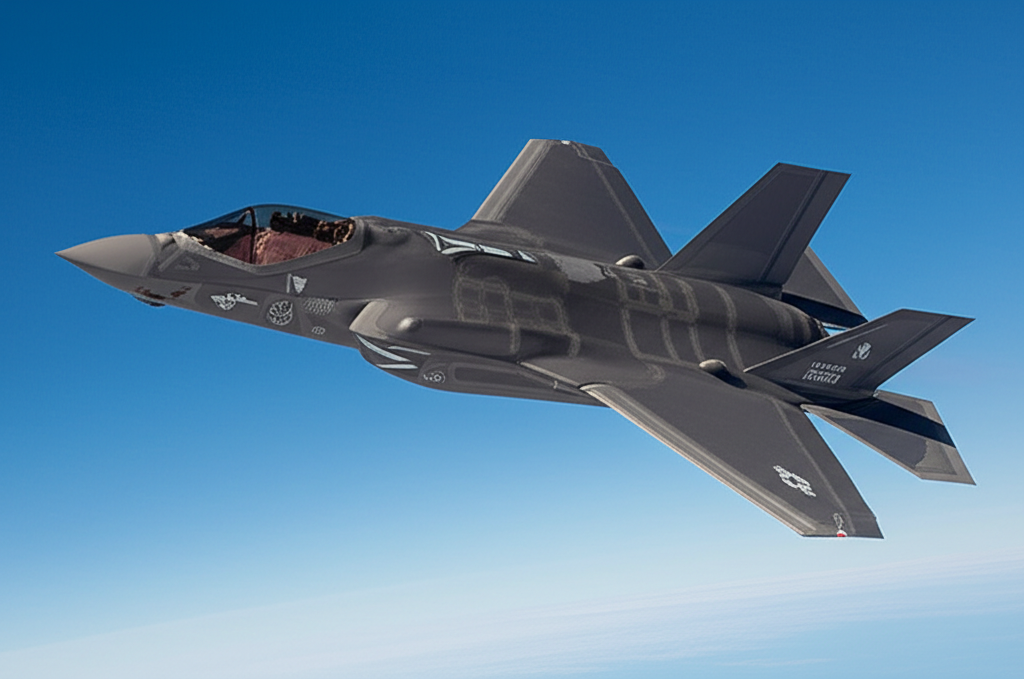
The sensor fusion alone changes everything about how pilots process information in combat. Previous fighters required pilots to mentally integrate information from multiple displays—radar over here, targeting pod over there, threat warning somewhere else. Your brain was the computer.
The F-35’s systems do this automatically, presenting a unified picture of the battlespace that earlier pilots couldn’t imagine. Pilots describe it as having superhuman awareness. One F-35 pilot told me it’s like going from a flip phone to a smartphone—once you’ve used it, you can’t imagine going back.
Stealth—Why It Actually Matters
Stealth capability matters more than critics acknowledge, and I’ve heard the arguments both ways. In exercises against fourth-generation fighters, F-35s consistently achieve kill ratios that would have seemed impossible a decade ago. We’re talking about numbers that make experienced fighter pilots pause.
Being invisible to radar until weapons release provides tactical advantages that raw performance simply can’t match. Speed and maneuverability matter, but shooting first matters more. That’s what makes stealth so decisive—you dictate the terms of engagement.
The Cockpit Philosophy
The cockpit philosophy differs fundamentally from legacy aircraft in ways that veterans find disorienting at first. Instead of managing systems constantly, pilots manage the mission. The aircraft handles routine tasks that used to consume attention, freeing cognitive capacity for tactical decisions.
Veterans transitioning from older fighters report initial discomfort followed by revelation. They’re used to working harder, and the F-35 makes them work smarter. It’s a genuine mindset shift that takes time to embrace fully.
The Maintenance Reality
Maintenance challenges remain real but improving—I won’t pretend otherwise. Early operational squadrons struggled with parts availability and system complexity. The aircraft demanded things that maintenance crews weren’t ready to provide.
As the fleet matures and maintenance procedures standardize, sortie generation rates climb toward targets. The aircraft isn’t as fragile as initial reports suggested. It’s complex, yes, but complexity doesn’t mean unreliable when you know what you’re doing.

International Partnerships
International partnerships strengthen the program in ways that pure numbers don’t capture. Allied nations operating F-35s share tactics, maintenance solutions, and operational experience. This network effect accelerates learning curves and builds interoperability that older fighter communities never achieved.
When American and allied F-35s fly together, they’re not just operating similar aircraft—they’re sharing data in real time. That’s what makes the international partnerships so valuable—the whole is greater than the sum of its parts.
The Helmet—Worth Every Dollar
The helmet-mounted display system deserves special mention because it’s genuinely revolutionary. It projects critical information directly onto the pilot’s visor, allowing off-boresight targeting and eliminating head-down time. Pilots can literally look through the aircraft to see threats below them using distributed aperture system cameras.
The helmet costs a fortune, and it’s worth every dollar. Previous generations of pilots would have given significant body parts for this capability.
Software Updates—The Jet Gets Better
Software updates continuously improve capability in ways that mechanical aircraft never could. Unlike jets that remain largely unchanged after delivery, the F-35 gets better over time. Regular updates add weapons compatibility, enhance sensor performance, and fix discovered issues.
The jet flying today outperforms the jet delivered five years ago significantly. That’s what makes modern fighter development so different—you’re buying into a platform that evolves, not a fixed product.
Training Pipelines Maturing
Training pipelines have matured significantly from the early days when nobody really knew the aircraft. Initial instructor cadres developed curriculum from scratch while learning the aircraft themselves—a challenging combination. Current students benefit from established syllabi and experienced instructors who understand the aircraft’s quirks and capabilities.
Three Variants, Remarkable Commonality
The three variants serve different services with remarkable commonality that critics predicted was impossible. The Air Force’s F-35A, Marine Corps’ F-35B with vertical landing capability, and Navy’s F-35C for carrier operations share most components. This reduces logistics burden and training requirements across the joint force in ways that separate programs couldn’t achieve.
Combat Validated
Combat deployments have validated design assumptions in ways that exercises can only approximate. Real-world operations in contested environments demonstrate that the F-35 performs as advertised when it counts. Details remain classified, but pilots return from deployments as true believers in the platform’s effectiveness. Actions speak louder than press releases.
The Bottom Line
Critics raise valid concerns about cost and complexity—no reasonable person argues the program ran perfectly. The budget history is what it is. However, judging the F-35 solely by procurement history ignores what the aircraft actually delivers in combat. Pilots who fly it understand its value better than budget analysts ever will. That’s what makes the F-35 debate so frustrating—the people with opinions often aren’t the people with experience.


Leave a Reply
You must be logged in to post a comment.