Today, I will share it all with you.
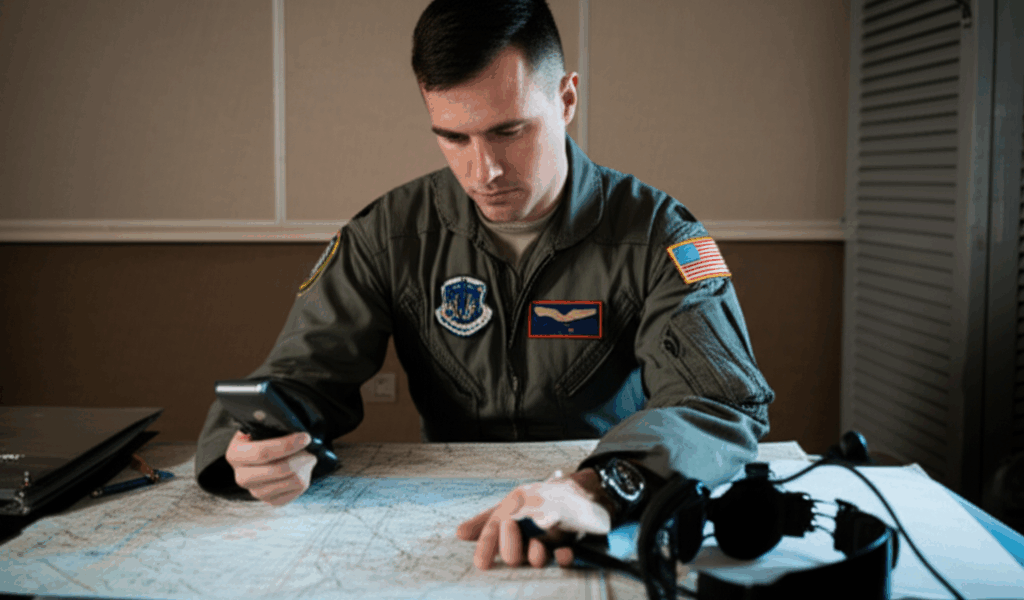
GPS made navigation almost foolproof. Almost. Military pilots still occasionally get lost, and what happens next reveals how training and technology combine to solve problems that could turn deadly in a hurry. I’ve seen it happen to sharp pilots who did everything right—and to overconfident ones who didn’t.
Getting lost in the air differs fundamentally from getting lost on the ground. You can’t pull over and check your phone. You can’t ask someone for directions. The clock is always running as fuel burns away your options minute by minute. That fuel gauge doesn’t care about your pride.
Admitting the Problem—The Hardest Part
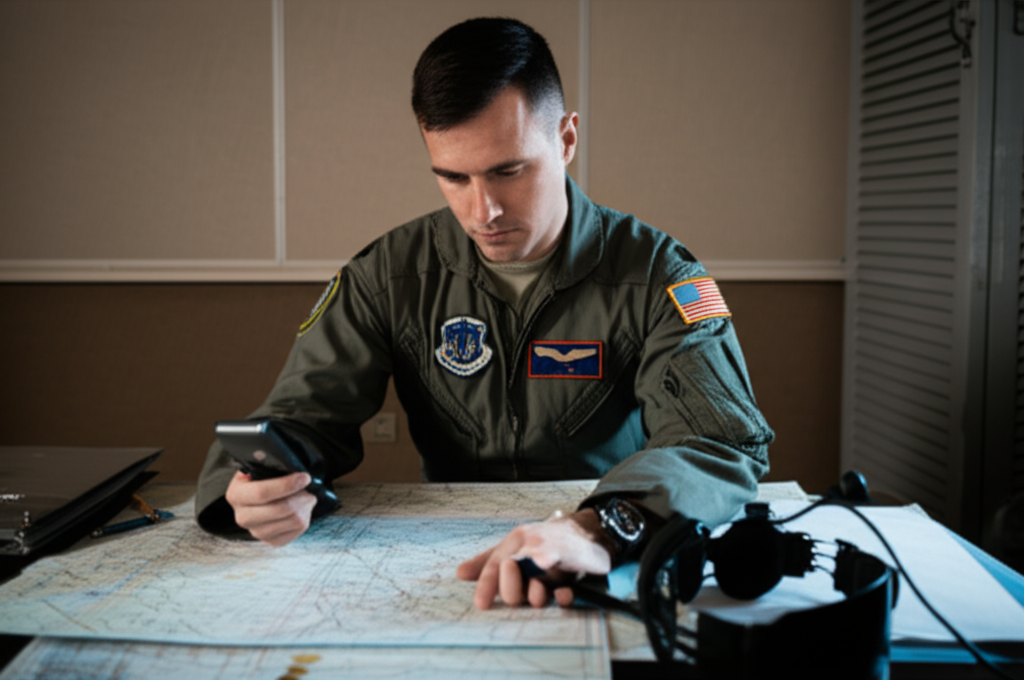
The first step is acknowledging disorientation, and that’s harder than it sounds when you’ve got a reputation to protect. Pride kills pilots. I’ve watched it happen. The aviator who refuses to admit uncertainty wastes fuel and time that might matter later when options get slim.
Professional pilots declare uncertainty early and begin systematic position recovery procedures. There’s no shame in it—it’s what competent aviators do.
Student pilots often hesitate to admit confusion, fearing embarrassment or criticism from their instructors. I get it. But here’s what I tell every student: experienced instructors know that acknowledging the problem immediately is far better than circling for twenty minutes pretending you know where you are. We can tell you’re lost. The only question is whether you’re going to admit it while you still have fuel to fix the situation.
Communication and Assistance—You’re Not Alone Up There
Declaring uncertainty to air traffic control activates assistance procedures that exist specifically for this situation. Controllers can provide radar vectors, read back transponder positions, or coordinate with military radar facilities that have capabilities civilians don’t have access to.
Emergency frequencies monitored continuously provide backup options when primary radios fail. That’s what makes having multiple communication options so valuable—redundancy saves lives.
Military aircraft carry identification equipment that ground stations can interrogate. Even if voice communication fails completely, controllers can often locate aircraft through these systems. The technology is there to help you, but only if you’re willing to use it.
Dead Reckoning and Visual Navigation—Old School Saves Lives
When GPS fails—and it does fail, whether from jamming, equipment malfunction, or solar activity—older skills matter more than you’d think. Heading, airspeed, and time allow position estimation through dead reckoning. The accuracy degrades over distance, sure, but pilots who actually practiced these skills in training don’t panic when modern systems go dark.
Visual navigation supplements electronic systems in ways that surprise pilots who grew up with glass cockpits. Major landmarks, coastlines, rivers, and distinctive terrain features help confirm or deny electronic positions. Pilots trained to look outside occasionally spot position errors that heads-down aviators miss entirely. I’ve caught GPS drift more than once just by glancing at the ground and thinking “that doesn’t look right.”
Emergency Procedures—When Fuel Gets Critical
Running low on fuel while lost triggers immediate action. No more troubleshooting, no more hoping the GPS comes back online. The pilot may need to land at the nearest suitable airport regardless of original destination. Military aircraft can declare emergencies that clear airspace and prioritize their recovery—use that authority when you need it.
Diverting to an alternate is never a failure. It’s the professional response to a deteriorating situation. The aircraft you save today flies again tomorrow. That’s what makes decisive action so important—hesitation burns fuel you might desperately need.
I’ve diverted twice in my career when situations degraded. Both times, I landed safely, refueled, figured out what went wrong, and continued the mission. Nobody questioned my judgment. The pilots who push it too far are the ones who end up in accident reports.
Modern navigation systems are remarkably reliable. But pilots who trust technology completely sometimes forget the basics that save lives when systems fail. Train like the GPS doesn’t work, and you’ll handle it fine when it actually doesn’t.

Leave a Reply
You must be logged in to post a comment.