
Today, I will share it all with you.
Spatial disorientation kills pilots every year. Let that sink in for a moment. The inner ear lies to the brain. The eyes see what they expect to see. Only instruments tell the truth, and learning to believe them over your own senses takes deliberate training that never really ends.

The Demonstration You Never Forget
The classic demonstration happens during basic flight training, and every pilot remembers it. Instructors have students close their eyes while the aircraft maneuvers. Asked which way they’re turning, students confidently answer wrong. The sensation of turning persists long after the aircraft levels out.
Opening their eyes to see instruments showing straight and level flight creates cognitive dissonance that experienced pilots never forget. I still remember my face getting hot when I realized how wrong I was. Your body is absolutely convinced of something the instruments prove is false. That’s what makes spatial disorientation so dangerous—the lie feels completely real.
When There’s Nothing Outside to See
This lesson must become instinctive because you can’t think your way through it in the moment. In actual instrument conditions, pilots cannot see outside references. Weather obscures the horizon. Night over water or desert eliminates visual cues entirely—I’ve flown over the Gulf at night and there’s literally nothing to see. Black below, black above.
The only reliable information comes from gauges that feel wrong to trust. Every fiber of your being wants to override what you’re reading, and that’s precisely when you can’t.
The Accidents That Didn’t Have to Happen
Accident investigations reveal recurring patterns that are heartbreaking in their predictability. Pilots flying into weather conditions beyond their ratings because they “felt fine.” Night flights over featureless terrain. Perfectly functioning aircraft flown into the ground by pilots who believed their bodies over their instruments.
I’ve read those accident reports. They haunt you. The pilot often does everything right until that one moment when they decide to “trust their gut.” That’s what makes these accidents so tragic—small decisions with permanent consequences.
Glass Cockpits Help, But…
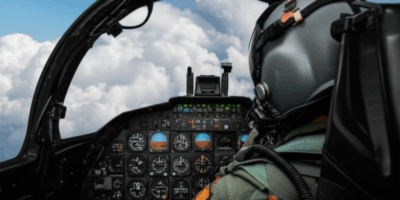
Modern glass cockpits help somewhat. Large attitude indicators with synthetic vision provide intuitive displays that our predecessors would have killed for. Autopilots maintain stable flight while pilots handle other tasks. The technology has improved dramatically.
But the fundamental challenge remains unchanged. When it matters most, you must believe the instruments. No amount of fancy glass changes that core requirement. The pilot who ignores the instruments in a G1000 cockpit is just as dead as one who ignored steam gauges in 1965.
Currency Isn’t Just Paperwork
Regular instrument proficiency training reinforces this discipline, and it’s not optional if you want to stay alive. Currency requirements exist for good reason. Skills fade without practice—faster than you’d think. The pilot who hasn’t flown actual instruments in months faces significantly higher risk when conditions demand those skills.
I make it a point to fly in actual IMC regularly, not just to log the time but because the skill is perishable. Simulators are great, but there’s something about actual clouds that keeps you honest.
What to Do When It Hits You
Procedures exist for recognized disorientation, and knowing them cold matters. Level the wings according to instruments. Establish a known attitude and power setting. Trust the gauges and wait for sensations to align with reality. Resist the overwhelming urge to “correct” based on feelings.
That last part is the hardest. Your survival instincts are screaming at you to do something, and “do nothing different” feels impossibly passive. But it’s the right answer.
Why Military Pilots Train More
Military pilots receive more instrument training than civilian counterparts, and it’s not because we’re better—it’s because the missions demand it. Flying into hostile territory means accepting weather conditions that civilian flights would refuse. Combat doesn’t wait for clear skies. You go when you’re told to go.
That’s what makes military instrument training so intensive—there’s no option to say “let’s wait for better weather” when troops are in contact.
The Pilots Who Never Learn
Some pilots never fully develop instrument trust, and I’ve known a few. They avoid bad weather throughout their careers, limiting themselves to visual conditions whenever possible. This works until it doesn’t. The day conditions deteriorate unexpectedly tests skills that may have atrophied from disuse.
Don’t be that pilot. Train for conditions you hope never to encounter.
Building Real Proficiency
Building true instrument proficiency requires practice beyond minimum requirements. Simulator sessions allow exposure to conditions too dangerous for actual flight—unusual attitudes, equipment failures, and extreme weather scenarios that would kill you in real life. That training builds confidence that transfers to real emergencies.
The psychological component deserves attention too. Some pilots intellectually understand instrument reliance but emotionally resist it. Working with instructors to identify and address these tendencies improves safety. The goal is automatic trust, not conscious override of instincts in the moment when you need to be thinking about other things.
We All Have Our Stories
Every experienced pilot has a story about spatial disorientation. The night it happened to them. The moment doubt crept in. What they did to recover—or almost didn’t. These stories, shared in ready rooms and crew lounges, reinforce lessons that keep the next generation alive.
I’ve got mine. Won’t share the details because it still embarrasses me, but I walked away from it a fundamentally different pilot. That’s what these experiences do when you survive them—they change how you fly forever.


Leave a Reply
You must be logged in to post a comment.