
Military pilot fitness requirements have gotten complicated with all the misinformation flying around about what’s actually expected. As someone who’s maintained flight status while watching colleagues get grounded for fitness issues, I learned everything there is to know about why physical standards actually matter for pilots. Today, I will share it all with you.
Fitness requirements for military pilots confuse many candidates. You’re sitting in an airplane, not running marathons. Why does physical conditioning matter so much for aviation careers? I hear this question constantly from students, and it’s a fair one.
The answer involves physiology, survival, and professional standards that extend way beyond the cockpit. Let me break it down.
G-Forces and Physical Strength—The Real Reason
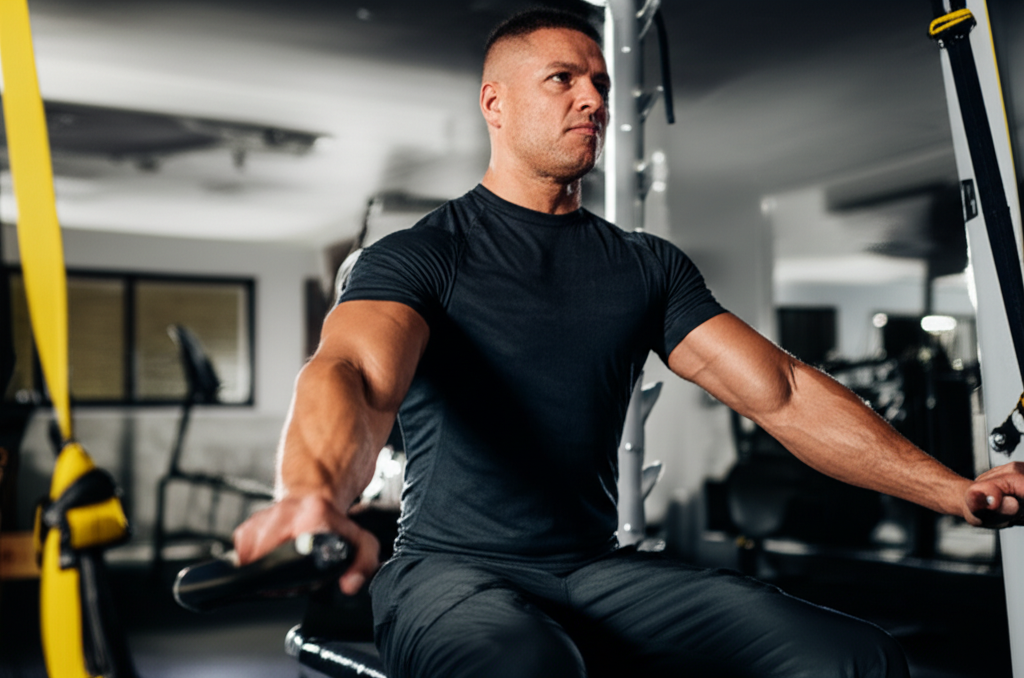
Probably should have led with this section, honestly. G-forces explain most of it. Fighter pilots routinely experience forces that would cause untrained people to lose consciousness immediately. We’re talking 7, 8, 9 Gs—that means your body weighs seven to nine times its normal weight. Your blood wants to pool in your legs, leaving your brain starved for oxygen.
Leg and core strength directly affect G-tolerance by helping squeeze blood back toward the brain during high-G maneuvers. I’ve seen the difference in the centrifuge. Weak pilots black out at 6 Gs. Strong pilots stay conscious at 9. That’s what makes fitness so critical—it’s literally the difference between completing the mission and waking up in a smoking hole.
The Anti-G Straining Maneuver
The Anti-G Straining Maneuver (AGSM) requires sustained muscle contraction while managing breathing in a specific pattern. Without baseline strength and cardiovascular conditioning, pilots simply can’t perform this technique effectively under stress. And trust me, when someone’s shooting at you and you need to pull hard, that’s stress.
I’ve practiced the AGSM thousands of times. It’s exhausting. Your muscles burn. Your breathing becomes labored. Doing it while also flying the aircraft and fighting takes conditioning that doesn’t happen by accident.
Endurance for Long Missions
Even non-fighter pilots need conditioning, though people don’t always understand why. Helicopter crews wear heavy gear for hours in cramped positions that would make your back scream. Transport pilots may fly 12-hour missions requiring sustained concentration when your body wants to shut down. Fatigue from poor fitness degrades decision-making exactly when sharp thinking matters most.
I’ve seen fatigued pilots make mistakes they’d never make fresh. That’s what makes conditioning so important across all airframes—tired people make bad decisions.
Ejection and Survival—When Things Go Wrong
Ejection survival depends on physical preparation in ways that aren’t obvious until you study the mechanics. The forces involved in ejection seats can cause spinal compression injuries—we’re talking about being shot out of an aircraft by a rocket. Strong neck and back muscles provide some protection against the violence of that event.
Pilots who eject also face potential survival situations where fitness determines whether they walk out or wait for rescue. If you punch out over hostile territory and need to evade for days, your PT scores suddenly matter a lot more than they did at your desk job.
The Professional Standard—What It Really Means
Beyond physical demands, fitness standards serve screening functions that some candidates don’t appreciate. They demonstrate discipline, self-care, and ability to meet standards consistently. Someone who can’t maintain physical conditioning raises questions about other professional areas. Aviation communities judge visible indicators of commitment—fair or not, that’s reality.
Medical retention also connects to fitness in ways that catch pilots off guard. You must pass regular flight physicals throughout your career—not just once at the beginning. Maintaining healthy weight, blood pressure, and cardiovascular function extends flying careers. I’ve watched pilots wash out medically when fitness lapses allowed preventable conditions to develop. High blood pressure grounded more pilots than combat did in my community.
The Bottom Line
That’s what makes pilot fitness requirements so important—they’re not arbitrary standards designed to make your life difficult. They’re requirements that exist because people learned the hard way what happens when unfit pilots try to do this job. Take your fitness seriously from day one, and maintain it throughout your career. Your life and mission success depend on it.
Each service sets specific fitness standards. Air Force pilots must pass the same PT test as other airmen, while maintaining additional flight-specific medical requirements. The standards evolve, so verify current requirements through official channels.

Leave a Reply