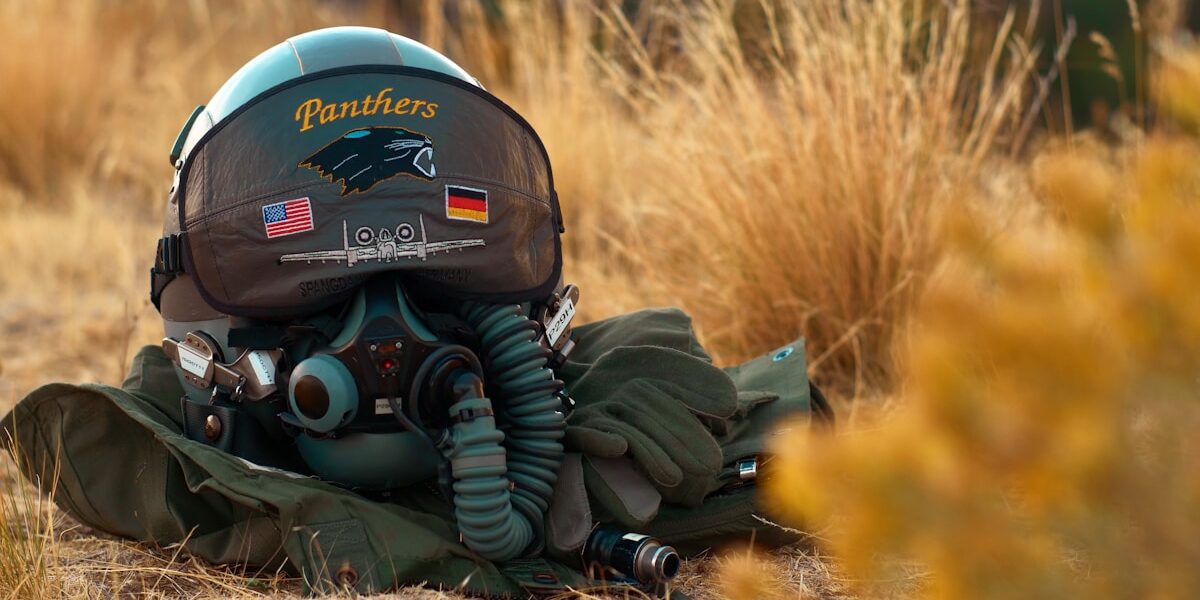
Today, I will share it all with you.
Every military pilot learns that ready room culture defines squadron identity. These unwritten rules govern behavior, establish hierarchy, and preserve traditions that outsiders rarely understand. Break them at your peril—and I’ve watched new guys break them and suffer the consequences.
The ready room serves as living room, office, and sanctuary for aircrew. What happens here shapes squadron culture more than any formal regulation the Air Force, Navy, or Army ever published.
The Seating Protocol—Learn It Fast
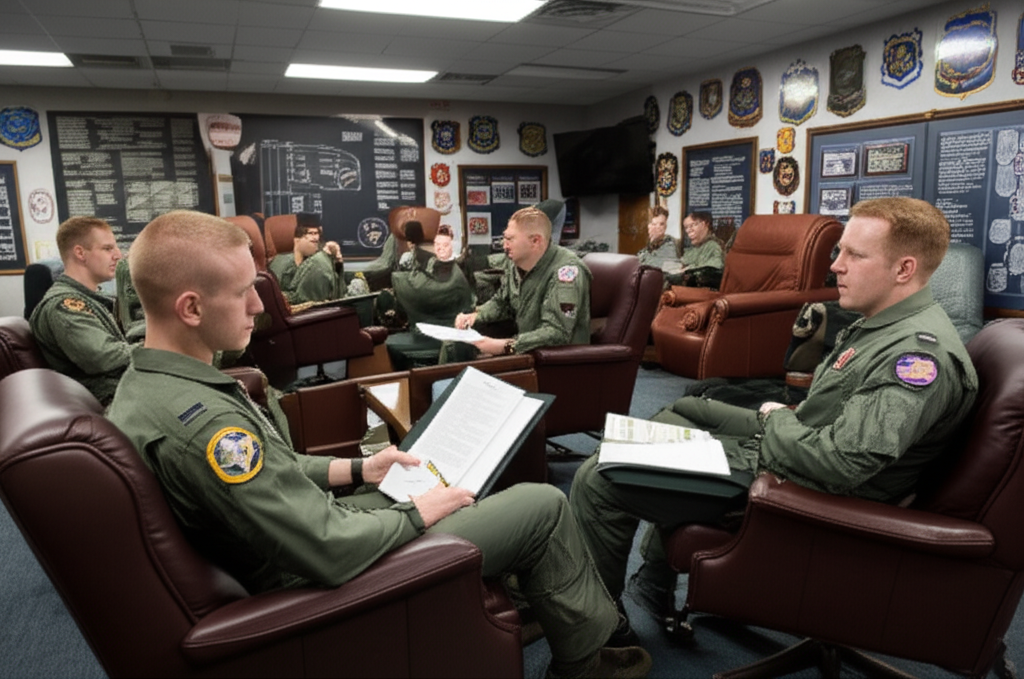
Never sit in someone else’s chair. Ready room seating follows invisible but absolute rules that nobody writes down but everyone knows. Senior pilots claim specific spots through tradition and tenure. The squadron commander’s seat is obvious, but the rest of the hierarchy isn’t.
New arrivals learn quickly which seats remain available—usually the worst ones near the door or under the air conditioning vent. Violating seating protocol draws immediate correction, often colorfully expressed. I sat in the wrong seat my first week. Once. The lesson stuck.
Coffee Culture—More Important Than You Think
Coffee traditions matter more than you’d expect in communities that run on caffeine and deadlines. Who makes coffee, who cleans the pot, and who drinks the last cup without brewing more all carry social weight. That’s what makes coffee protocol so serious—it reveals character.
Some squadrons levy actual fines for coffee violations. Others impose creative punishments involving embarrassing duties or public acknowledgment of the offense at the next meeting. I’ve seen pilots publicly called out for leaving an empty pot warming on the burner. The shame is real.
Callsigns and Naming—You Don’t Choose
Callsigns get earned, not chosen. New pilots often receive embarrassing or unflattering callsigns based on mistakes or personal characteristics. The guy who threw up during his first high-G maneuver might be “Chunks” forever. The pilot who walked into a glass door could be “Windex” for his entire career.
Fighting your callsign guarantees something worse—the community will double down. Acceptance brings eventual affection for even the most ridiculous names. The naming ceremony itself follows squadron-specific rituals that range from mildly embarrassing to stories-you-tell-at-retirement-parties territory.
Debrief Honesty—Where Ego Dies
Ready rooms where pilots can’t admit mistakes become dangerous places to fly. The best squadrons create environments where honest discussion of errors improves everyone’s performance. I’ve been in both kinds of squadrons, and the difference in safety culture is obvious within days.
Ego has no place in debrief. What happened matters; who looks bad doesn’t. The flight lead who admits a mistake helps the wingman who’ll face the same situation next week. That’s what makes debrief culture so critical—it’s where learning actually happens.
The Role of Humor—Keeping Sane
Flying military aircraft involves genuine risk that most people don’t think about. Dark humor, constant ribbing, and elaborate pranks release tension and build bonds that outsiders find strange. We mock the things that scare us. We laugh about close calls that weren’t funny at the time.
Understanding when to laugh and when to be serious marks a mature aviator. The ready room that can’t laugh together often can’t fly together effectively. Humor isn’t unprofessional—it’s survival. But knowing when to shift gears to serious mode separates the good squadrons from the great ones.
Ready room traditions vary significantly between fighter, heavy, and helicopter communities. Each develops culture appropriate to their mission and personality. What I’ve described here represents universal truths, but the details differ wildly. That’s what makes each squadron unique—the specific traditions that define their identity.

Leave a Reply
You must be logged in to post a comment.