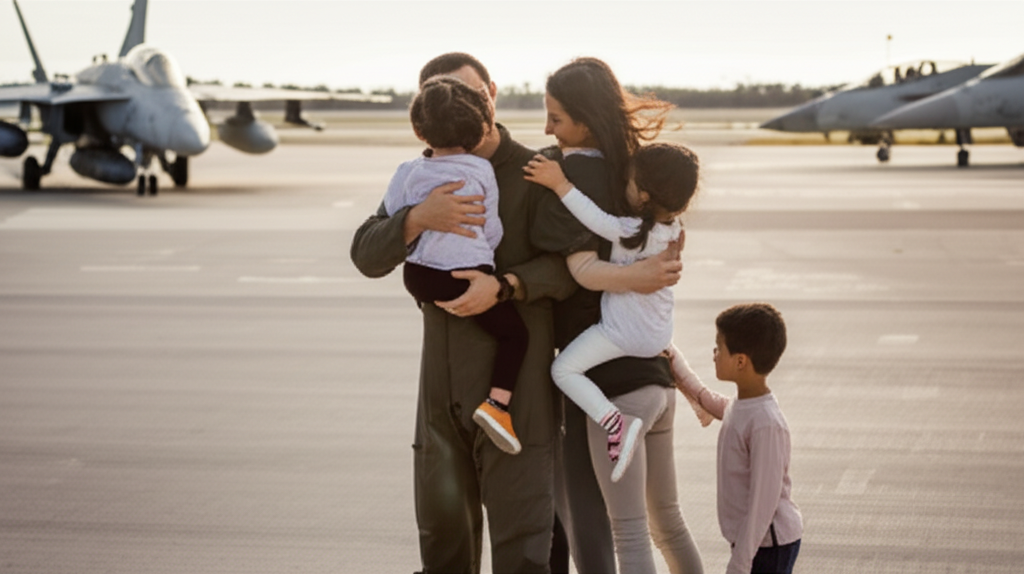
Military pilot marriages have gotten complicated with all the unrealistic expectations flying around from movies and recruitment materials. Today, I will share it all with you.
Military pilot marriages face pressures that civilian relationships rarely encounter. Extended deployments, unpredictable schedules, and the constant reality of risk create a unique dynamic that requires extraordinary commitment from both partners. And I mean both—this isn’t a one-person effort.

The Numbers Don’t Lie
The statistics tell part of the story, and it’s not always pretty. Military divorce rates hover around 3% annually, but aviation communities often see higher numbers. The combination of ego-driven personalities (let’s be honest about what kind of people become military pilots) and frequent absences tests even the strongest bonds.
I’ve watched marriages I thought were rock-solid fall apart. I’ve also seen couples who seemed mismatched somehow make it work for decades. The numbers give you trends, but individual stories vary wildly.
A Particular Kind of Loneliness
Spouses of military pilots describe a particular kind of loneliness that civilian partners struggle to understand. It’s not just missing your partner during deployments—civilian couples with traveling spouses experience that too. It’s the missed birthdays, the school plays attended alone, the middle-of-the-night phone calls that change everything.
It’s also the mental load of running a household entirely by yourself for months at a time, then suddenly having to share space with someone who’s been living a completely different life. That transition—both ways—challenges marriages in ways people don’t talk about enough.
How Families Cope
Many aviation families develop coping strategies that work for them. Some maintain strict communication schedules that become sacred rituals. Others build strong networks within the squadron community where everyone understands what you’re going through. The most successful couples I know learn to compress quality time into whatever windows appear—because waiting for the “perfect” moment means waiting forever.
The Kids See Everything
Children of military pilots grow up with a different normal, and I’ve watched this play out across dozens of families. They learn early that Dad or Mom might miss important events—and that’s okay, even when it hurts. They also develop resilience and independence that serves them throughout life. Military kids are different, and mostly in good ways.
The ones who struggle are usually the ones whose parents never explained the “why” behind the absences. Kids can handle hard truths better than adults think.
What Actually Sustains These Marriages
What sustains these marriages when everything seems stacked against them? Shared purpose helps more than anything else. Partners who understand and support the mission—who believe in what their spouse is doing—create stronger foundations than couples where one person sees the military as an obstacle to “real life.”
Open communication about fears and frustrations prevents resentment from building into something toxic. That’s what makes honest conversation so critical—silence kills marriages faster than deployments do.

Use the Resources
The military offers resources like family readiness programs and counseling services that actually help. Smart couples use them before problems become crises—not after. The stigma around seeking help has diminished significantly in recent years, which is one of the best changes I’ve seen in military culture.
If your marriage is struggling, get help. Nobody gets extra points for suffering in silence.
The Common Traits of Marriages That Work
Ultimately, military pilot marriages that survive and thrive share common traits that you can learn from. Both partners maintain individual identities—the spouse doesn’t exist solely as “the pilot’s wife” or “the pilot’s husband.” They celebrate reunions without dwelling on separations. They accept that the aircraft will sometimes win the scheduling battle, and they don’t keep score about it.
Before You Commit
For those considering this life, honest conversations before commitment matter enormously. Don’t marry a military pilot expecting them to change or expecting the military to accommodate your preferences. Understanding what you’re signing up for makes the journey more manageable, even when it’s hard.
These marriages can be deeply fulfilling when both partners embrace the unique challenges and rewards of military aviation life. I’ve seen it work beautifully. But it requires intention, communication, and a level of commitment that not everyone can sustain. Know yourself before you leap.




Leave a Reply
You must be logged in to post a comment.