
Today, I will share it all with you.
From tankers to fighters, helicopters to heavy lifters, military aviation offers diverse aircraft and missions. Each platform shapes careers differently, demanding unique skills while offering distinct rewards. The answer to “which is best” depends entirely on what kind of flying you want to do.
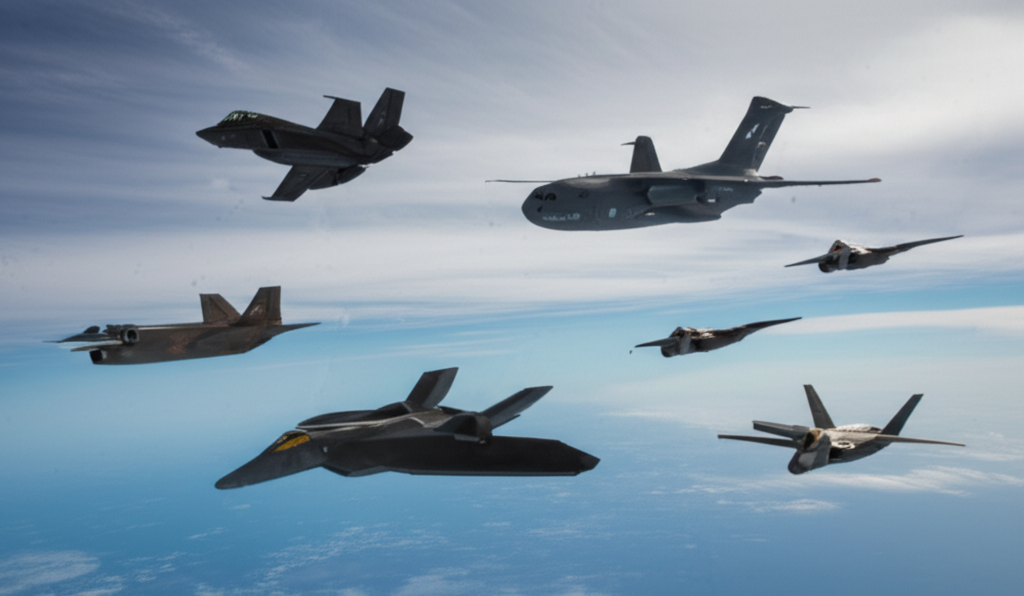
Fighters: Maximum Performance, Maximum Demand
F-22, F-35, F-15, F-16 pilots experience aviation at its most demanding. Single-seat operations mean every decision rests on you. No copilot to consult. No crew to share the load. The aircraft respond instantly to inputs, pulling G-forces that test physical limits every flight.
Combat missions require split-second tactical decisions that determine whether people live or die. That’s what makes fighter aviation so intense—the stakes are always high.
The tradeoff? Intense competition for slots that starts before you even commission. Demanding currency requirements that eat your schedule. Physically punishing flight profiles that wear down your body over time. Fighter pilots burn out faster than their peers in other communities, and the divorce rate reflects the lifestyle. Know what you’re signing up for.
Heavy Aircraft: Crew Coordination and Global Reach
C-17, C-130, KC-135 pilots fly missions spanning continents in aircraft that actually carry things. The work is less physically demanding than pulling 9 Gs, but requires exceptional crew coordination that fighters never develop. Heavy pilots learn command and leadership skills early, managing crews of 3-6 personnel on complex missions where everyone has to work together.
Quality of life often exceeds fighter communities—I’ve watched heavy pilots make it to their kids’ events while fighter pilots missed another birthday. Deployments can be shorter, and home station flying is more predictable. Many heavy pilots cite better work-life balance as their primary career satisfaction, and they’re not wrong.
That’s what makes heavies appealing—you can have a flying career and a family life that doesn’t implode.
Helicopters: Low and Slow, High Demand
Army and special operations helicopter pilots fly challenging missions close to the ground where fixed-wing jets can’t operate. Blackhawk, Apache, and Chinook pilots develop skills no fixed-wing aviator possesses. Hover work, confined area operations, and tactical maneuvering demand constant attention and precision that jet pilots don’t fully appreciate until they try it.
Rotary pilots often feel closer to the action than their fixed-wing counterparts, supporting ground troops directly rather than from 30,000 feet. When you see the faces of the soldiers you’re supporting, the mission feels different. More personal. More immediate.
The Best Aircraft Is…
Whatever you’re flying. Seriously. I’ve had this conversation with hundreds of pilots, and here’s what I’ve learned: pilots in every community believe their aircraft offers the best experience. Fighter pilots pity heavy pilots for “not really flying.” Heavy pilots pity fighter pilots for their destroyed personal lives. Helicopter pilots think everyone else is missing the point entirely.
The real question is what kind of flying fits your personality and career goals. Do you want maximum performance and don’t mind sacrificing everything else? Fighters. Want a sustainable career with time for family? Heavies. Want to feel connected to ground operations? Helicopters. Research each platform thoroughly before ranking your preferences.
Assignment is never guaranteed. Rank your preferences honestly, but prepare to excel in whatever aircraft the service assigns you. The pilots who thrive are the ones who embrace their assignment rather than resenting it.


Leave a Reply
You must be logged in to post a comment.