Today, I will share it all with you.
Military pilots transition to commercial aviation in greater numbers each year. Airlines actively recruit military aviators, valuing their discipline, training, and experience. But the pathway from squadron to airline cockpit requires planning that should begin years before separation. Don’t be the pilot who waits until six months out to start thinking about this.
ATP Certificate Requirements—The Non-Negotiable
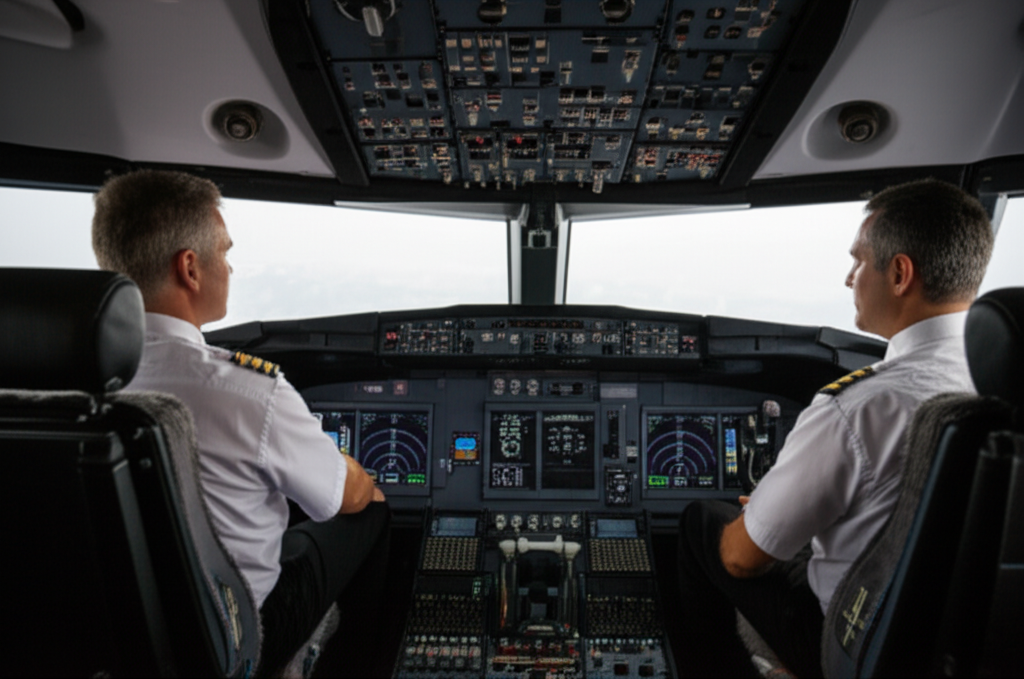
The Airline Transport Pilot certificate is non-negotiable for airline employment. Military pilots benefit from the restricted ATP (R-ATP), allowing certification at 750 hours total time versus the civilian requirement of 1,500 hours. Most military pilots easily exceed these minimums during their service, so that’s the good news.
The ATP written exam covers airline-specific regulations and procedures that have nothing to do with military flying. Part 121 operations? Military training doesn’t cover that. You need dedicated study. Plan three to six months of preparation while still on active duty—don’t assume you can cram this like a military EPR.
Timing Your Transition—Start Earlier Than You Think
Start the airline application process 12-18 months before separation. I know that sounds crazy early, but major carriers have lengthy hiring pipelines, and starting early gives you options. Waiting until your commitment ends leaves you scrambling while your savings dwindle. That’s what makes early planning so critical—time is the one resource you can’t get back.
Many pilots use terminal leave to complete airline training, ensuring paychecks continue without gap. Coordinate with your unit to maximize this overlap. Good leadership will help you; bad leadership might not, but that’s worth knowing early too.
What Airlines Actually Value
Total flight time matters, but recent flight time matters more. Airlines want pilots flying regularly, not desk-bound staff officers who haven’t touched a stick in two years. If possible, maintain flying currency in your final years of service, even if that means turning down that prestigious staff assignment.
Type ratings aren’t required—airlines provide these—but instrument proficiency and complex aircraft experience translate directly to what they need. Heavy aircraft pilots often find the transition smoother than fighter pilots adjusting to crew coordination. I’ve watched single-seat guys struggle with having to actually communicate with another pilot in the cockpit. It’s a real adjustment.
Interview Preparation—Different Game, Different Rules
Airline interviews differ from military boards in ways that catch pilots off guard. They assess crew resource management, customer service orientation, and cultural fit—not your combat record or tactical expertise. Practice answering behavioral questions with civilian, not military, examples. Hiring boards want to see you can adapt to a corporate environment.
Saying “I led a four-ship into hostile territory” doesn’t impress them the same way it impresses your military buddies. They want to know how you’ll handle a difficult passenger or a disagreement with a captain. Translate your experience into terms they care about.
Airline hiring fluctuates with economic conditions in ways military assignments never did. Start networking early and maintain flexibility in which carriers you’ll consider. The pilot who only applies to one major carrier is the pilot who might be unemployed for a while.


Leave a Reply
You must be logged in to post a comment.