
Today, I will share it all with you.
Competition for Undergraduate Pilot Training slots is fierce. Selection boards evaluate thousands of candidates annually, with acceptance rates often below 20%. Understanding what boards actually look for gives candidates a realistic advantage over those who rely on luck alone. Hope is not a strategy here.
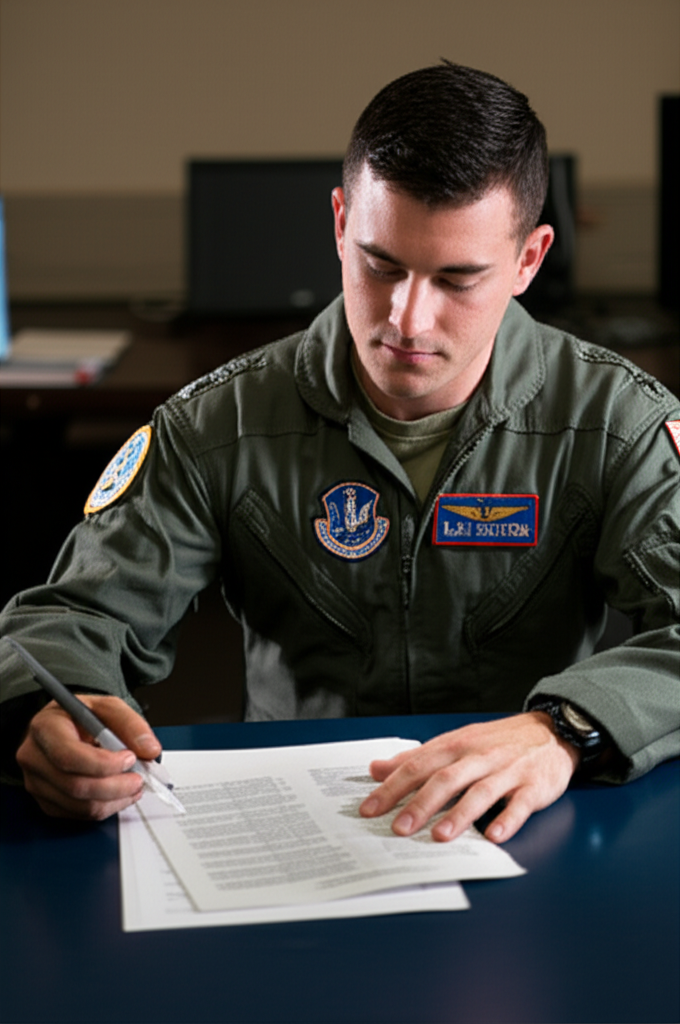
AFOQT and TBAS Scores—The Numbers That Matter Most
The Air Force Officer Qualifying Test (AFOQT) and Test of Basic Aviation Skills (TBAS) form the foundation of your pilot candidacy. Combined into the Pilot Candidate Selection Method (PCSM) score, these assessments quantify your aptitude for military flying in a way boards can compare across candidates.
Target PCSM scores above 80 for competitive consideration. Scores below 50 rarely result in selection regardless of other qualifications—I’ve seen candidates with perfect everything else get passed over because their PCSM was in the basement. The TBAS component can be retaken twice, though preparation typically yields diminishing returns after initial attempts. Prepare thoroughly the first time.
GPA and Academic Performance
Minimum GPA requirements hover around 2.5, but minimum means “we might consider you if everything else is exceptional.” Competitive candidates typically hold 3.3 or higher. STEM majors receive favorable consideration, though strong performance in any discipline demonstrates the intellectual capacity flight training demands.
Academic rigor matters as much as raw GPA, and boards know the difference. A 3.5 in aerospace engineering carries more weight than a 3.8 in a less demanding field. That’s what makes major selection strategic—don’t take the easy path if you want to fly.
Physical Fitness Scores—Where Many Candidates Fall Short
PT scores in the top 10% of your commissioning class significantly improve selection odds. Fitness demonstrates discipline, resilience, and the physical capability to handle demanding flying schedules. Poor fitness suggests problems managing the stress of pilot training—and boards notice.
I’ve watched candidates with excellent scores and GPAs get passed over because their PT was mediocre. Don’t be that person. Start training now and don’t stop.
Leadership Experience
Documented leadership positions in ROTC, clubs, athletics, or employment show the capacity to manage responsibility under pressure. Selection boards want evidence you can lead, not just follow instructions. Anyone can follow orders; pilots need to make decisions when there’s nobody to ask.
Quality matters more than quantity here. One significant leadership role where you actually accomplished something beats a resume full of club memberships where you just showed up.
Flight Experience—The Optional Edge
A private pilot license isn’t required but signals serious commitment to aviation that boards notice. Even 10-20 hours of flight time demonstrates you’ve invested in becoming a pilot rather than just chasing a prestigious career path. You put your own money where your mouth is.
Introductory flight programs and Civil Air Patrol experience also help. The point isn’t the hours—it’s showing that you actually want to fly, not just that you want to be called a pilot.
Selection criteria evolve annually as needs change. Verify current requirements through your commissioning source and Air Force recruiting channels. What I’ve shared reflects 2026 standards, but details shift regularly.



Leave a Reply
You must be logged in to post a comment.