
Fitness requirements for military pilots confuse many candidates. You’re sitting in an airplane, not running marathons. Why does physical conditioning matter so much for aviation careers?
The answer involves physiology, survival, and professional standards that extend beyond the cockpit.
G-Forces and Physical Strength
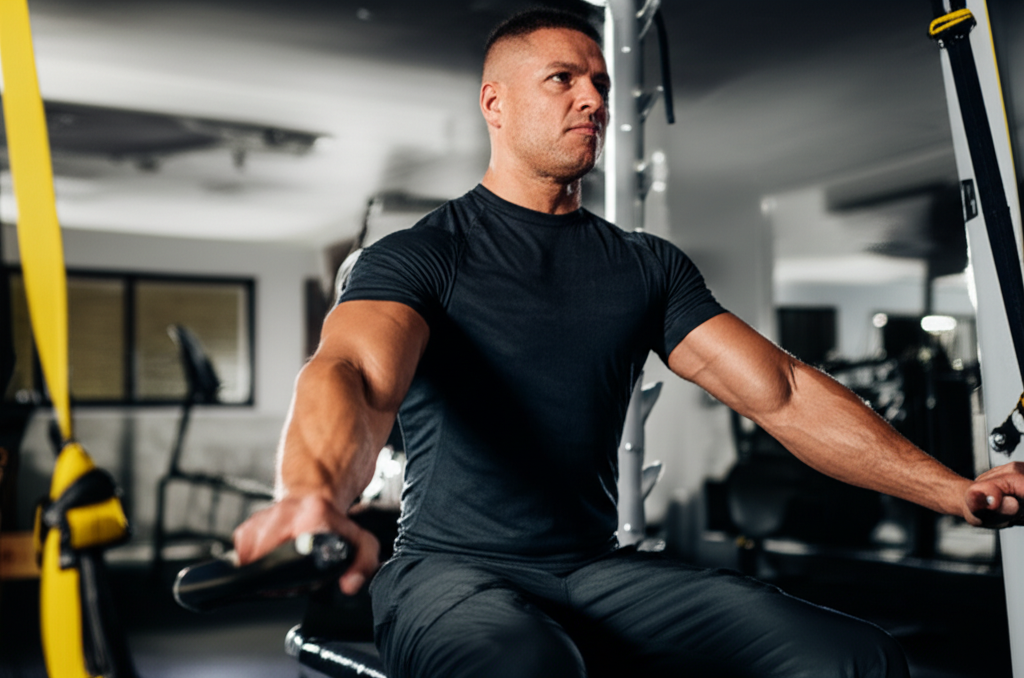
G-forces explain most of it. Fighter pilots routinely experience forces that would cause untrained people to lose consciousness. Leg and core strength directly affect G-tolerance by helping squeeze blood back toward the brain during high-G maneuvers. Weak pilots black out. Strong pilots stay in the fight.
The Anti-G Straining Maneuver (AGSM) requires sustained muscle contraction while managing breathing. Without baseline strength and cardiovascular conditioning, pilots can’t perform this technique effectively under stress.
Endurance for Long Missions
Even non-fighter pilots need conditioning. Helicopter crews wear heavy gear for hours in cramped positions. Transport pilots may fly 12-hour missions requiring sustained concentration. Fatigue from poor fitness degrades decision-making exactly when sharp thinking matters most.
Ejection and Survival
Ejection survival depends on physical preparation. The forces involved in ejection seats can cause spinal compression injuries. Strong neck and back muscles provide some protection. Pilots who eject also face potential survival situations where fitness determines whether they walk out or wait for rescue.
The Professional Standard
Beyond physical demands, fitness standards serve screening functions. They demonstrate discipline, self-care, and ability to meet standards. Someone who can’t maintain physical conditioning raises questions about other professional areas. Aviation communities judge visible indicators of commitment.
Medical retention also connects to fitness. Pilots must pass regular flight physicals throughout their careers. Maintaining healthy weight, blood pressure, and cardiovascular function extends flying careers. Many pilots wash out medically when fitness lapses allow preventable conditions to develop.
Each service sets specific fitness standards. Air Force pilots must pass the same PT test as other airmen, while maintaining additional flight-specific medical requirements.

Leave a Reply