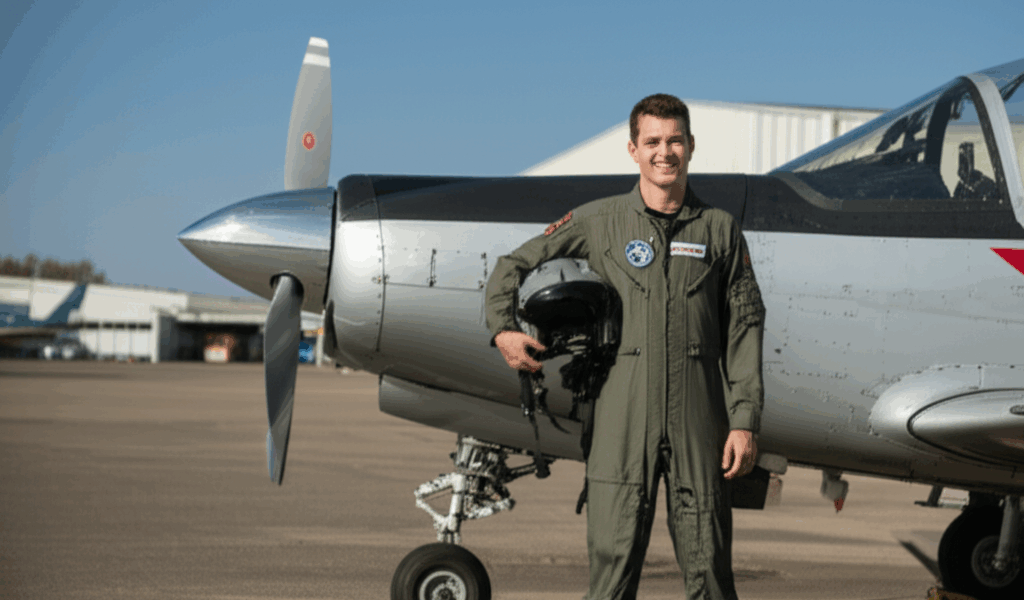
Military aviation lore is full of dramatic moments—dogfights, carrier landings, combat missions that movies love to recreate. But ask any pilot which memory hits hardest, and it’s usually something quieter. It’s that first solo flight when the instructor climbed out and left them sitting there alone.
I talked to dozens of pilots about this over the years. Every single one of them got this look on their face when they described it. Not the polished war story look. Something more raw.
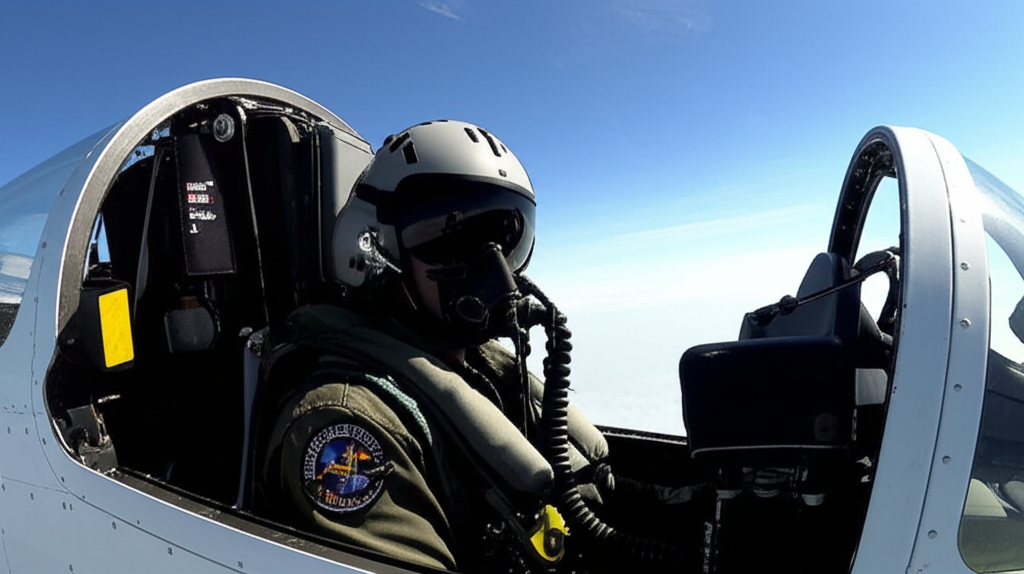
That Empty Seat Changes Everything
Here’s what nobody prepares you for: the aircraft actually handles differently. Lighter. More responsive. You’ve trained for this exact moment, run through the procedures a hundred times with someone beside you ready to grab the controls. Then suddenly there’s just… air where that person used to be.
One F-16 pilot I knew described checking his right seat three times during the pattern. Force of habit. His instructor wasn’t there, obviously. But his brain kept looking anyway.
The instructors, meanwhile, are standing on the tarmac pretending to be calm. They’re not. They’ve done everything they can to prepare you, and now they just have to watch and hope their teaching sticks when it matters.
Why Pilots Never Forget This
Veterans describe a weird sensory clarity during those first solo circuits. Colors seem sharper. Engine sounds you’d tuned out for weeks suddenly register again. Every control input feels heavier with consequence because, well, it is.
The tower controllers usually know. They’ve seen enough solo flights to recognize the call signs, the slightly tentative radio work, the textbook-perfect pattern entries. Sometimes they’ll toss a quiet “nice work” over the frequency that means more than any formal commendation.
The Part That Bonds Pilots Together
That’s what makes this memory endearing to aviators—everyone has their version of it. Put a bunch of pilots in a bar and the first solo stories come out eventually. The details change but that cocktail of terror and joy is universal.
It’s the line between people who talk about flying and people who actually do it. Crossed it once, can’t uncross it. Every military pilot knows exactly when they stepped over.
Most students solo after 15-25 hours of dual instruction. The signoff requires demonstrated competency in takeoffs, landings, and handling emergencies—though nothing fully prepares you for that empty right seat.


Leave a Reply