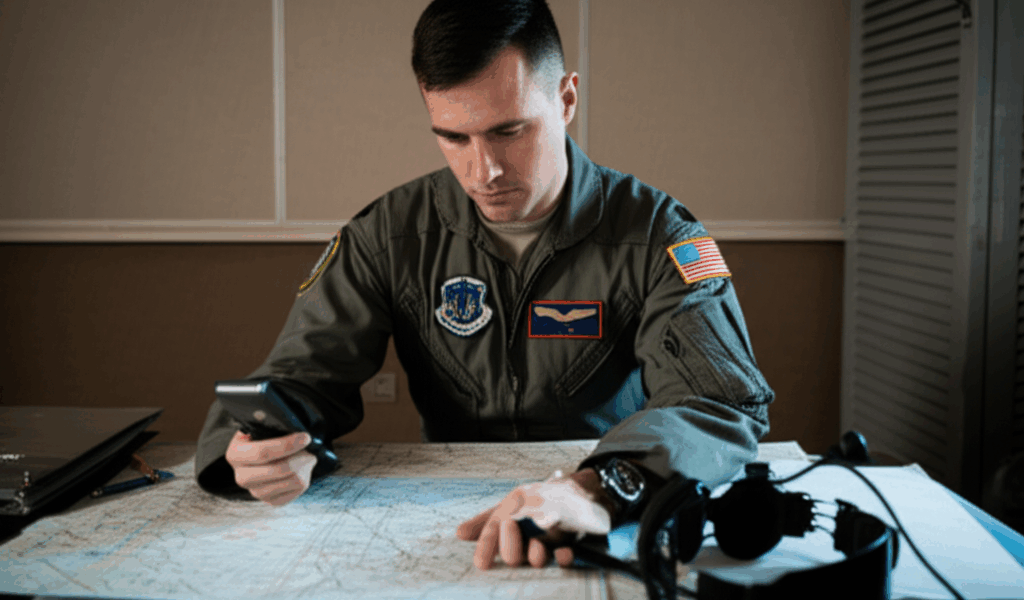
GPS made navigation almost foolproof. Almost. Military pilots still occasionally get lost, and what happens next reveals how training and technology combine to solve problems that could turn deadly.
Getting lost in the air differs fundamentally from getting lost on the ground. You can’t pull over. The clock is always running as fuel burns away your options.
Admitting the Problem
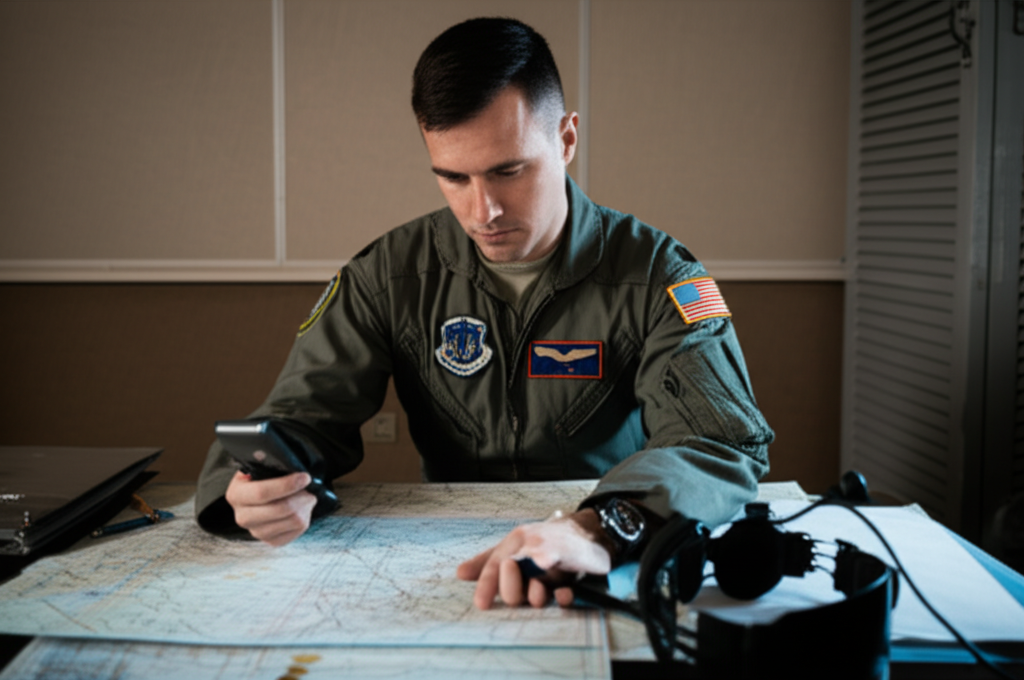
The first step is acknowledging disorientation. Pride kills pilots. The aviator who refuses to admit uncertainty wastes fuel and time that might matter later. Professional pilots declare uncertainty early and begin systematic position recovery procedures.
Student pilots often hesitate to admit confusion, fearing embarrassment or criticism. Experienced instructors know that acknowledging the problem immediately is far better than circling for twenty minutes pretending you know where you are.
Communication and Assistance
Declaring uncertainty to air traffic control activates assistance procedures. Controllers can provide radar vectors, read back transponder positions, or coordinate with military radar facilities. Emergency frequencies monitored continuously provide backup options when primary radios fail.
Military aircraft carry identification equipment that ground stations can interrogate. Even if voice communication fails, controllers can often locate aircraft through these systems.
Dead Reckoning and Visual Navigation
When GPS fails, older skills matter. Heading, airspeed, and time allow position estimation through dead reckoning. The accuracy degrades over distance, but pilots who practiced these skills in training don’t panic when modern systems fail.
Visual navigation supplements electronic systems. Major landmarks, coastlines, rivers, and distinctive terrain features help confirm or deny electronic positions. Pilots trained to look outside occasionally spot position errors that heads-down aviators miss entirely.
Emergency Procedures
Running low on fuel while lost triggers immediate action. The pilot may need to land at the nearest suitable airport regardless of original destination. Military aircraft can declare emergencies that clear airspace and prioritize their recovery.
Diverting to an alternate is never a failure. It’s the professional response to a deteriorating situation. The aircraft you save today flies again tomorrow.
Modern navigation systems are remarkably reliable. But pilots who trust technology completely sometimes forget the basics that save lives when systems fail.


Leave a Reply