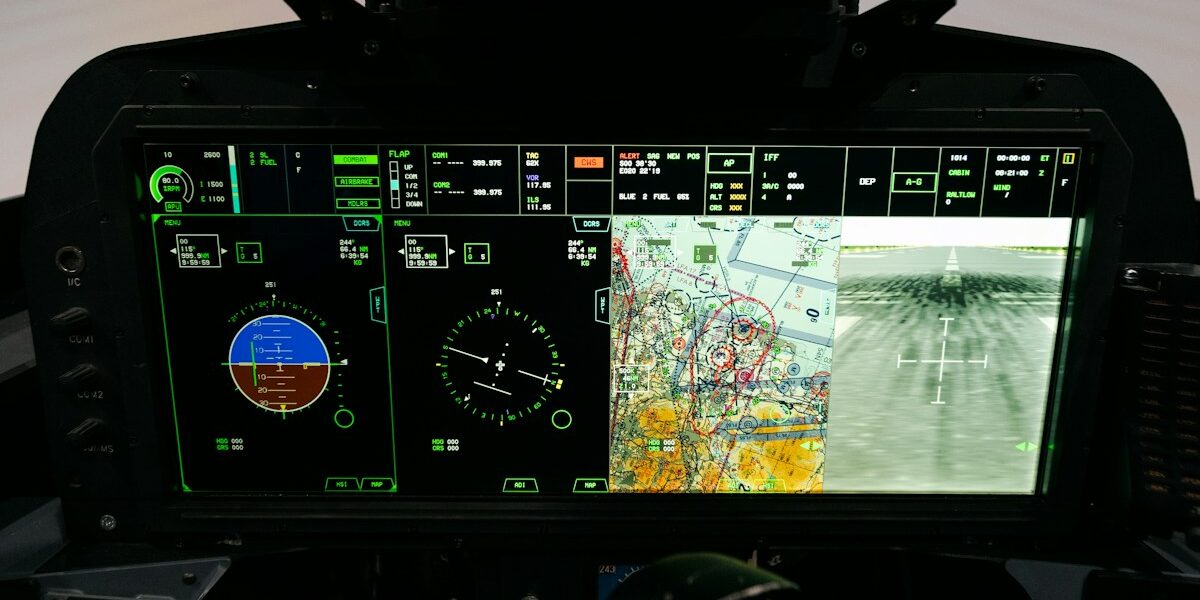
Pilot training elimination is one of those topics that gets whispered about in ready rooms but rarely discussed openly. As someone who watched classmates wash out and talked to pilots across every service about this, I can tell you the reality is messier than the recruiting materials suggest.
First, some context: washout rates run somewhere between 15-30% depending on phase and aircraft. That’s not a small number. Understanding what happens—and why—helps candidates prepare for what’s actually coming.
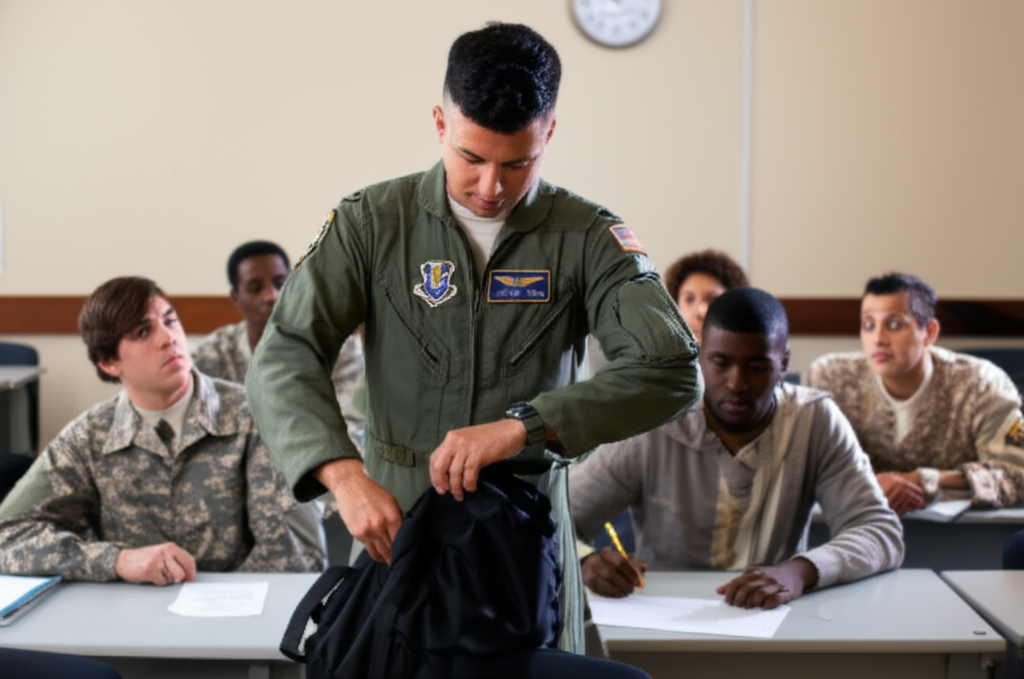
Thing One: It’s Not Really “Failure”
Here’s what took me years to understand. Some genuinely talented officers discover that flying isn’t their thing. The military needs them elsewhere, and finding that out during training beats finding it out during combat.
I’ve met commanders, strategists, and leaders who started in pilot training and got redirected. Their careers turned out fine. Better than fine, actually. Aviation wasn’t the right fit, but the military found where they belonged.
Thing Two: The Reasons Are All Over the Map
Some candidates can’t handle G-forces—their bodies just don’t adapt. Others struggle with spatial orientation or airsickness that refuses to improve no matter how many flights they log. Many hit a ceiling where cockpit workload exceeds their processing bandwidth.
None of this reflects character or intelligence. I’m apparently one of those people who can read in cars without getting sick, and motion sickness people tell me I have no idea what it’s like. Fair enough. The demands of military aviation are specific and completely unforgiving about it.
Thing Three: Your Class Will Feel It
Training classes bond fast through shared suffering. When someone washes out, the whole group takes a hit. You’re trying to support struggling classmates while still performing well enough yourself—not an easy balance. The best classes I saw lifted each other without sacrificing individual standards.
Thing Four: Second Chances Exist, Sometimes
Some elimination reasons allow retraining. Others permanently close the aviation door. Knowing the difference matters. Push harder when there’s still a path forward. Accept reassignment gracefully when there isn’t.
Thing Five: The Stigma Fades Faster Than You’d Think
Initial disappointment stings. Of course it does. But military communities move on quickly. Within a few months, former pilot candidates establish themselves in new roles. Weirdly, their brief aviation experience often provides useful perspective in operations or support jobs. They understand what the pilots need because they almost were one.


Leave a Reply