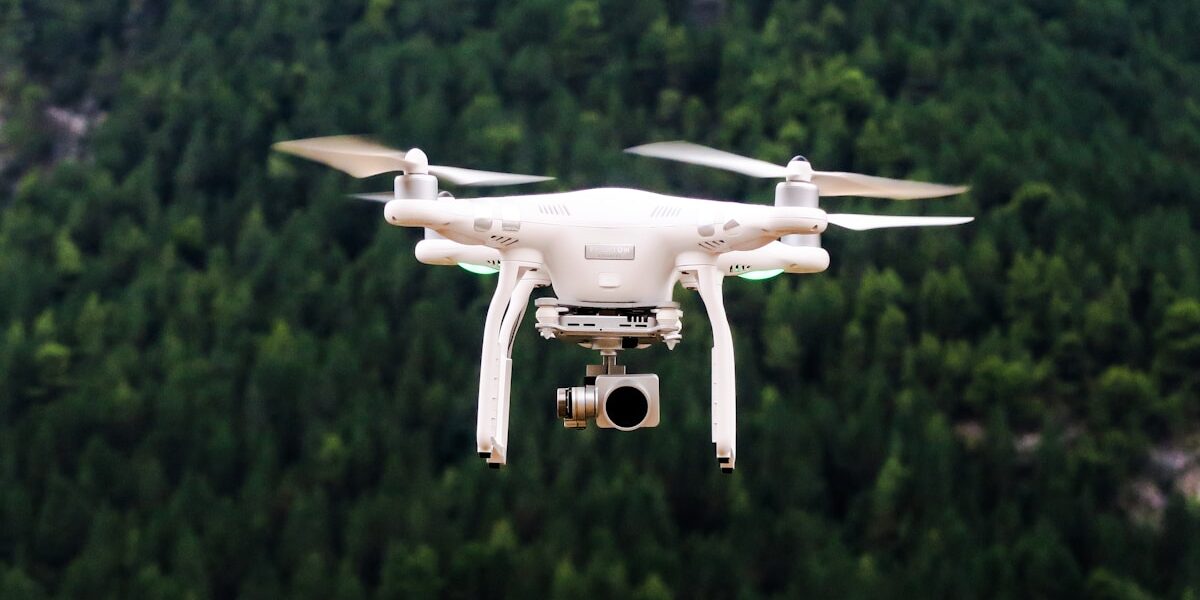
Remotely Piloted Aircraft have transformed modern warfare, and the pilots who fly them from ground control stations perform demanding missions with real combat impact. The RPA career field has matured from an afterthought to a critical component of military airpower.
MQ-9 Reaper Operations
The MQ-9 Reaper serves as the primary Air Force hunter-killer platform. Capable of extended flight times exceeding 27 hours, Reapers provide persistent surveillance and strike capability that manned aircraft cannot match. Pilots control these aircraft via satellite links, often operating over battlefields thousands of miles from their control stations.
Reaper pilots execute the same tactical missions as manned attack pilots, including close air support for ground troops, precision strikes against high-value targets, and reconnaissance gathering. The weapons employment decisions and engagement authority mirror those of pilots in cockpits.
Training Pipeline
Air Force RPA pilots attend initial training at bases in New Mexico and Texas. The curriculum covers aircraft systems, sensor employment, weapons delivery, and crew coordination with sensor operators who manage cameras and targeting pods. Training emphasizes tactical scenarios and combat decision-making.
Some RPA pilots come directly from commissioning sources without prior manned flying experience. Others transition from manned aircraft, bringing cockpit experience to the RPA world. Both paths produce qualified combat pilots, though the training emphasis differs based on background.
Unique Challenges
RPA pilots face distinct stressors. Operating in combat zones while living at home creates psychological dissonance. Pilots may conduct strikes in the morning and attend their children’s soccer games that afternoon. This blending of combat and domestic life generates unique mental health considerations.
The career field struggles with retention as the demanding deployment tempo and operational pressure compete with attractive civilian opportunities. Defense contractors and commercial drone operations offer significantly higher compensation for experienced RPA pilots.
Future of Unmanned Aviation
Autonomous systems and artificial intelligence will reshape RPA operations. Future pilots may supervise multiple aircraft simultaneously, with automation handling routine tasks. The human pilot role evolves toward mission management and ethical oversight rather than direct aircraft control.


Leave a Reply