
Military pilots transition to commercial aviation in greater numbers each year. Airlines actively recruit military aviators, valuing their discipline, training, and experience. But the pathway from squadron to airline cockpit requires planning that should begin years before separation.
This guide covers what major airlines actually want and how to position yourself for a smooth transition.
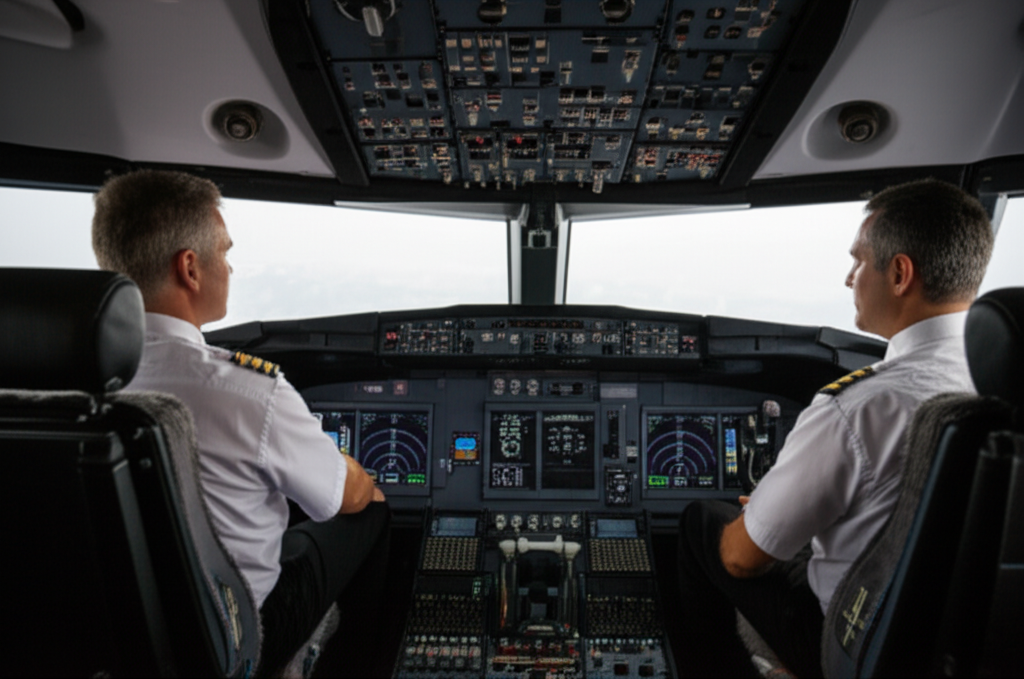
ATP Certificate Requirements
The Airline Transport Pilot certificate is non-negotiable for airline employment. Military pilots benefit from the restricted ATP (R-ATP), allowing certification at 750 hours total time versus the civilian requirement of 1,500 hours. Most military pilots easily exceed these minimums during their service.
The ATP written exam covers airline-specific regulations and procedures. Military training doesn’t cover Part 121 operations, so dedicated study is required. Plan three to six months of preparation while still on active duty.
Timing Your Transition
Start the airline application process 12-18 months before separation. Major carriers have lengthy hiring pipelines, and starting early gives you options. Waiting until your commitment ends leaves you scrambling.
Many pilots use terminal leave to complete airline training, ensuring paychecks continue without gap. Coordinate with your unit to maximize this overlap.
What Airlines Value
Total flight time matters, but recent flight time matters more. Airlines want pilots flying regularly, not desk-bound staff officers. If possible, maintain flying currency in your final years of service.
Type ratings aren’t required—airlines provide these—but instrument proficiency and complex aircraft experience translate directly. Heavy aircraft pilots often find the transition smoother than fighter pilots adjusting to crew coordination.
Interview Preparation
Airline interviews differ from military boards. They assess crew resource management, customer service orientation, and cultural fit. Practice answering behavioral questions with civilian, not military, examples. Hiring boards want to see you can adapt to a corporate environment.
Airline hiring fluctuates with economic conditions. Start networking early and maintain flexibility in which carriers you’ll consider.



Leave a Reply