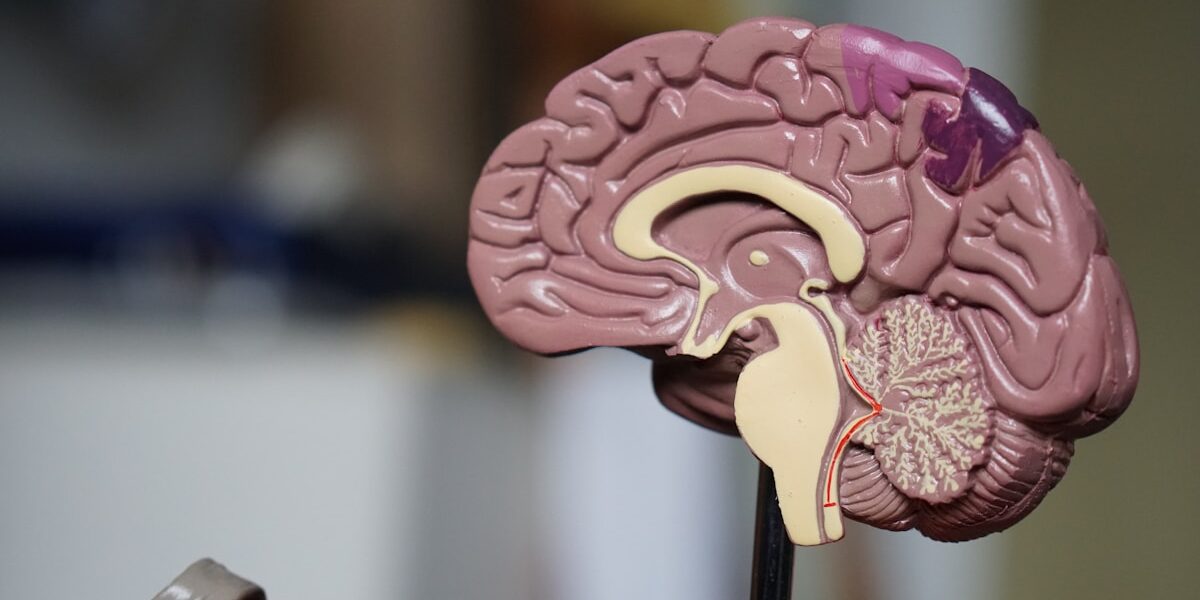
The flight physical examination serves as the gatekeeper to military aviation. Meeting the demanding medical standards ensures pilots can safely operate aircraft and handle emergency situations without health issues compromising performance or judgment.
Vision Standards
Distance vision must meet specific uncorrected and corrected standards that vary by aircraft type. Fighter and attack pilots face the most stringent requirements, while transport and helicopter pilots may have slightly more flexibility. Color vision testing confirms the ability to distinguish navigation lights and cockpit indicators.
Refractive surgery has changed the vision landscape significantly. PRK and LASIK are now acceptable for many pilot programs after a waiting period demonstrates stable results. Each service has specific policies regarding acceptable procedures, healing timelines, and post-surgical requirements.

Anthropometric Requirements
Physical dimensions matter for ejection seat safety and cockpit fit. Standing and sitting height limits ensure pilots can reach controls and see over instrument panels while fitting within ejection envelope parameters. Leg length, arm reach, and weight restrictions vary by aircraft type.
Some candidates who fall outside standard parameters may receive waivers for specific aircraft if they can demonstrate adequate reach and clearance during cockpit evaluations. The waiver process examines whether the individual can safely operate despite non-standard dimensions.
Medical Conditions and Waivers
Numerous medical conditions can disqualify candidates from pilot training, but the waiver system allows case-by-case evaluation. Conditions like controlled asthma, certain skin conditions, or minor orthopedic issues may not automatically disqualify candidates if they do not affect flight safety.
The waiver process involves documentation, specialist consultations, and review by flight surgeons who specialize in aerospace medicine. Persistence and thorough medical documentation improve waiver approval chances for marginal conditions.
Maintaining Flight Status
Annual flight physicals monitor pilot health throughout careers. Developing conditions that would have initially disqualified candidates may not necessarily end flying careers if they can be managed without affecting flight duties. Medical review boards evaluate whether pilots can safely continue flying as conditions emerge.



Leave a Reply